Gnosticism : The Gospel of Mary Magdalene
Salvation through Self-Knowledge of the Soul & Mind
Abstract
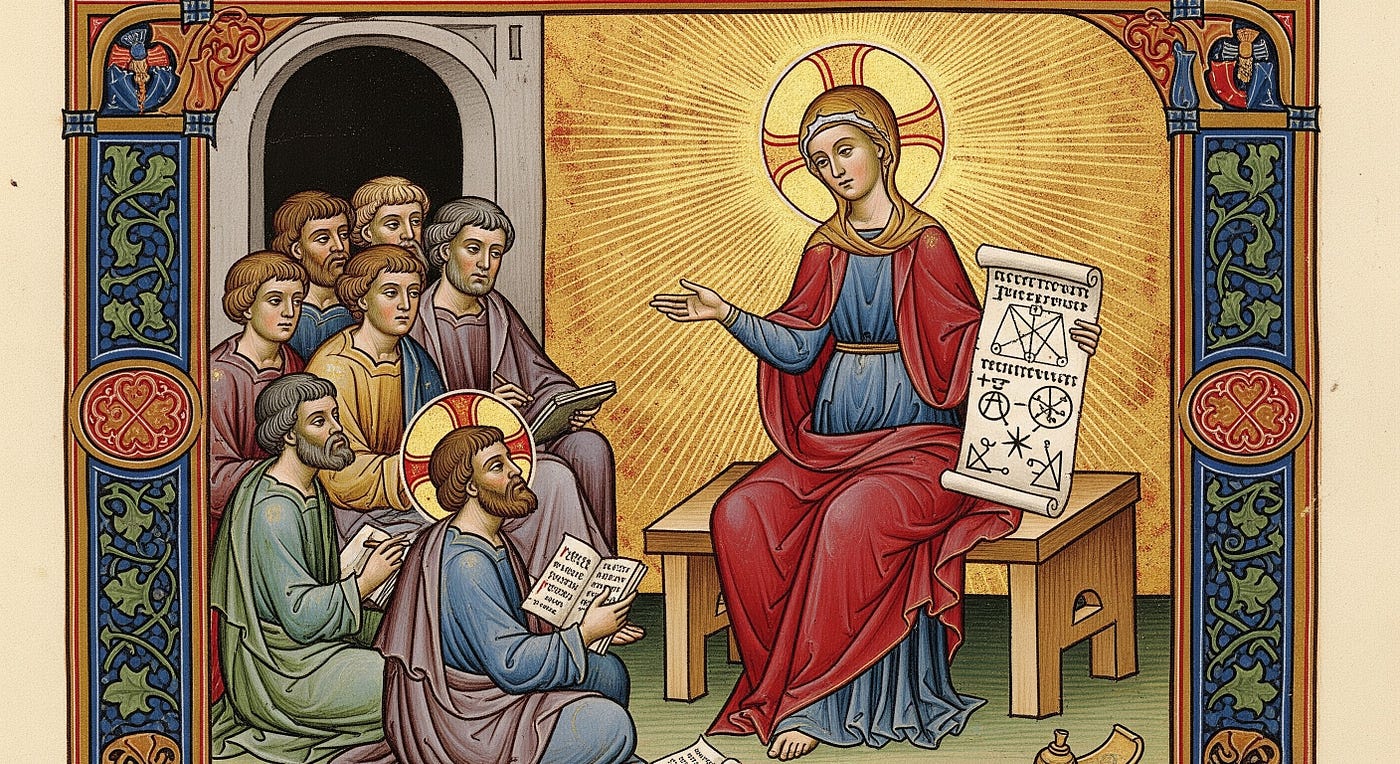
In this article we are exploring The Gospel of Mary, one of the ancient texts recovered in the middle of the XXth century, that offers a radically different view of early Christianity, often associated with Gnosticism.
The Gospel of Mary presents a radically different Christianity, where salvation is achieved through an inward spiritual turn and self-knowledge of the soul, rather than the physical death and resurrection of Jesus. It emphasizes secret teachings revealed through prophetic visions.
We will explore Gnosis, the Role of Mary Magdalene, content of the Gospel and what was at stake for spiritual authority …
Table of Contents
Gnosis : Origin
The name comes from the Greek word gnosis, which means knowledge, refers to spiritual, mystical, or esoteric knowledge that enables human beings to understand their true divine nature and attain salvation. But this isn’t book-learning; it’s a deep, mystical, and personal insight into the nature of reality and the divine.
Historically, the term refers mainly to Gnosticism, a set of religious and philosophical movements that were very active in the early centuries of our era (particularly in the 1st and 2nd centuries), on the fringes of or within early Christianity, Judaism, and Hellenistic philosophy.
1. Salvation through knowledge
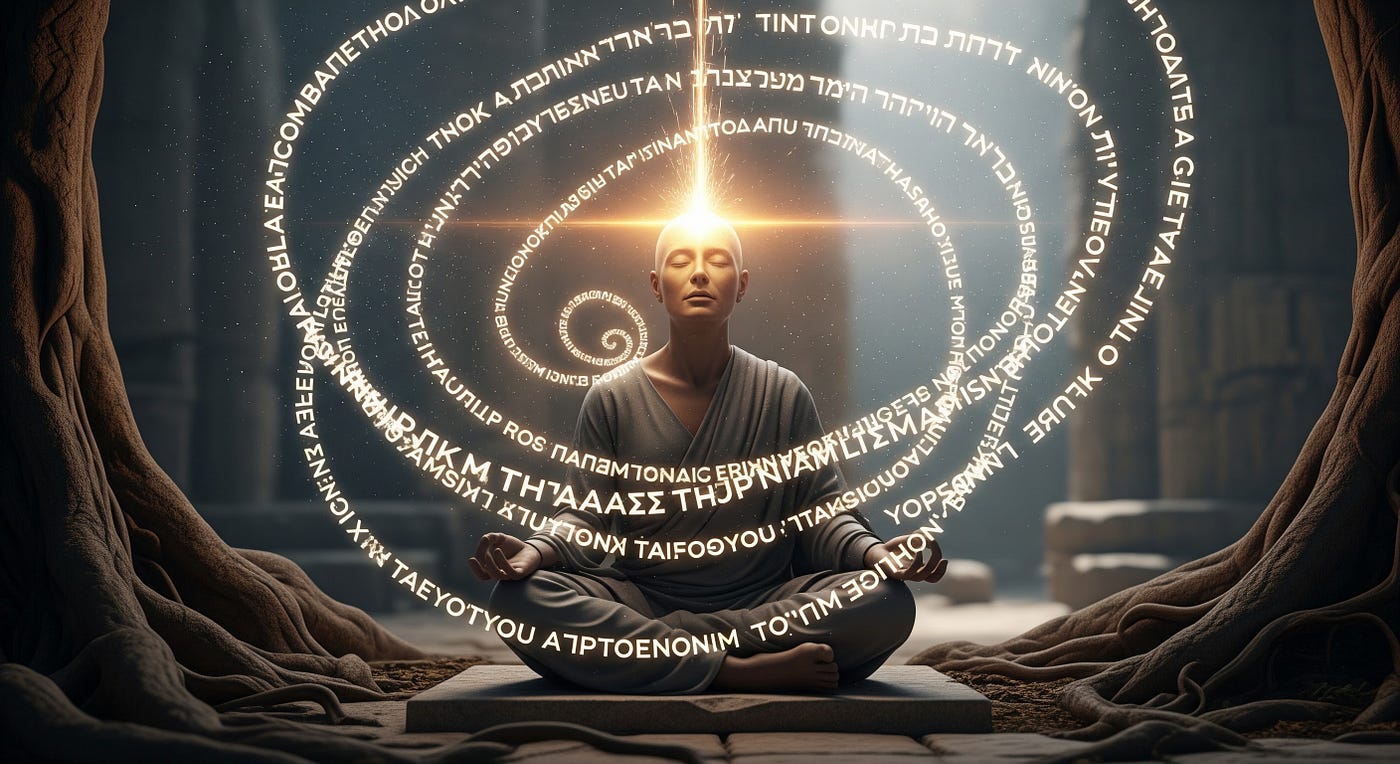
Unlike orthodox religions, which often preach salvation through faith, obedience to laws, or good works, Gnosticism asserts that the soul is saved through direct and intimate knowledge of the divine. This knowledge is not intellectual or bookish, but rather an inner, mystical revelation (an illumination).
In mainstream Christianity, salvation usually comes through faith or grace. In Gnosticism, you are saved by waking up. To be saved, a person must receive the secret gnosis — the realization that they are actually a spark of the divine trapped in a material corpse, and that they belong to the realm of light.
2. Radical dualism
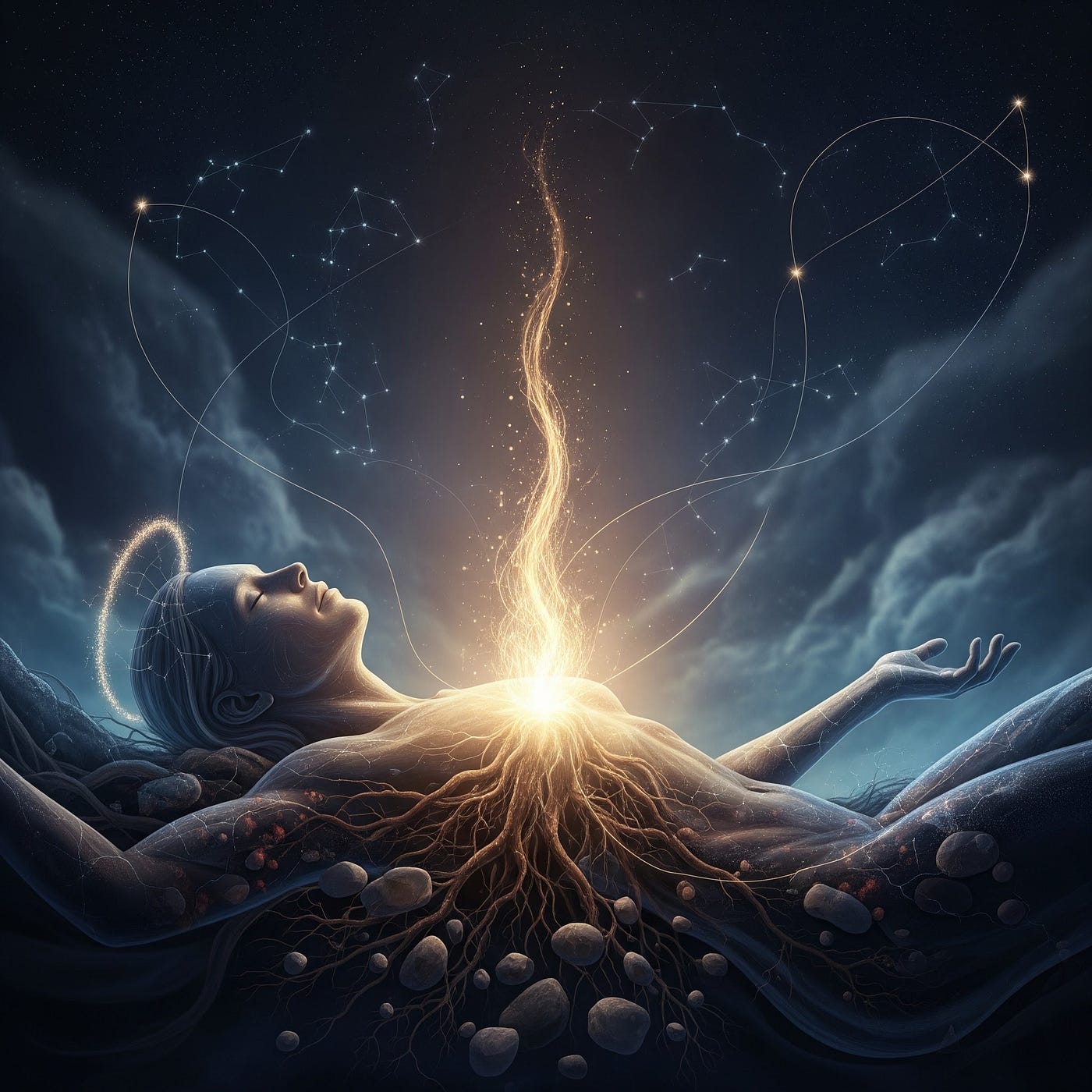
Gnosticism is based on a strict opposition between the material world and the spiritual world:
The material world (the body, the earth): It is perceived as a prison, a place of illusion, suffering, and corruption.
The spiritual world (the soul, the divine): It is the realm of light, purity, and truth.

3. The supreme God and the Demiurge
To explain the imperfection of the material world, Gnostics make a major distinction:
The supreme God (or the True God): He is infinite, unknowable, pure spirit, and totally foreign to our material world. He’ss the Supreme God of light and spirit.
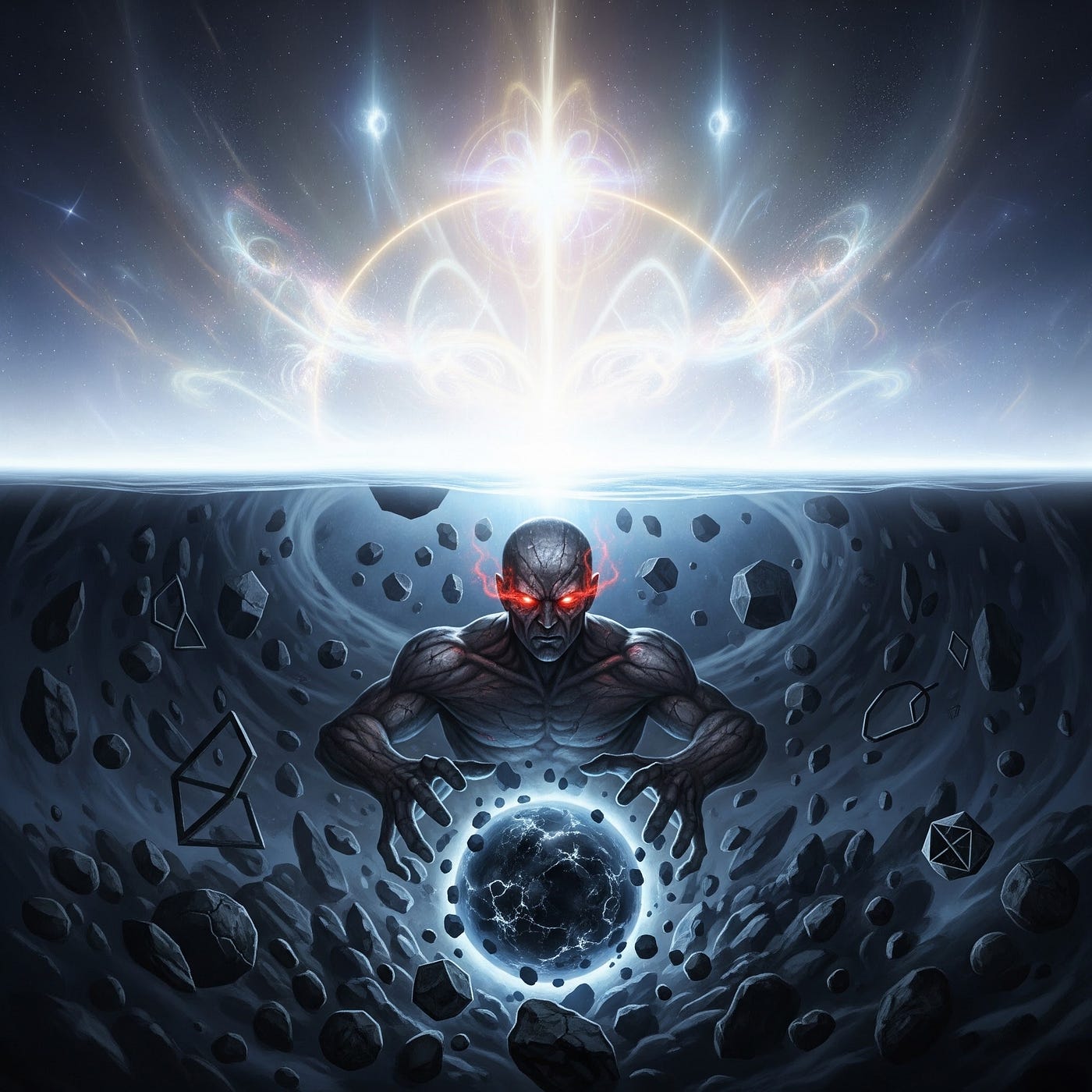
The Demiurge : He is an inferior god, lesser deity, ignorant or sometimes malevolent who created the material world to imprison souls. Many Gnostics identified the God of the Old Testament as this Demiurge, claiming he trapped divine “sparks” (human souls) in fleshy bodies.
4. The divine spark
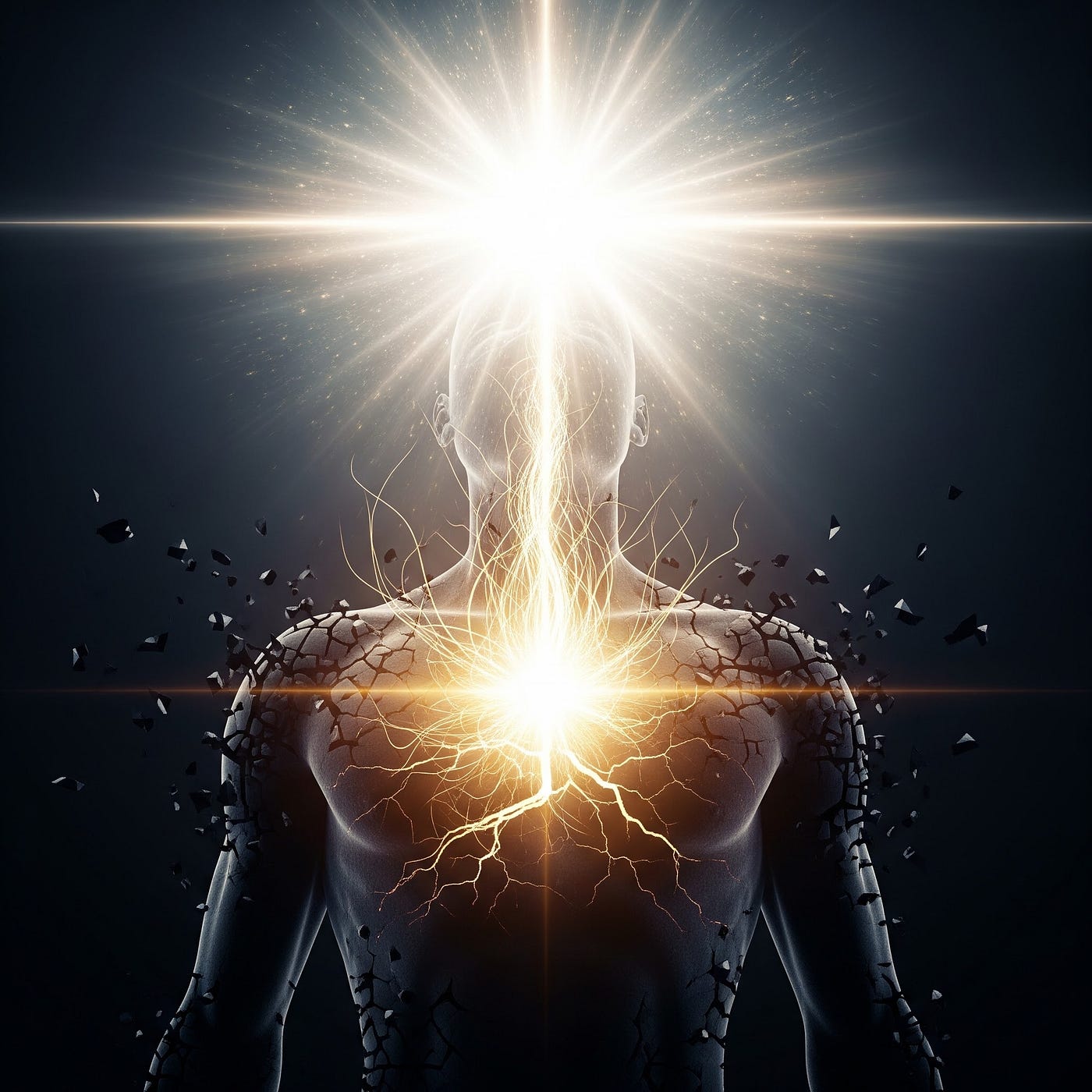
According to Gnosticism, a “divine spark” or fragment of light from the Supreme God fell into the material world and is trapped inside the human body. The goal of Gnosticism is to awaken this dormant spark so that it can free itself from matter and return to its divine origin.
Historical discovery at Nag Hammadi
Often called the “Gnostic Dead Sea Scrolls.” It is arguably the most important archaeological find for understanding the roots of Western spirituality and the “hidden” history of early Christianity.
The Discovery : In December 1945, an Egyptian farmer named Muhammad ‘Ali al-Samman was digging for sabakh (a natural fertilizer) near the cliffs of Jabal al-Tarif. His mattock struck a sealed pottery jar about two feet high.
The “Bread Oven” Incident: Muhammad took the books (13 leather-bound codices) home. Not realizing their value, his mother used some of the pages to kindle the family’s bread oven. We will never know what lost wisdom literally went up in smoke that day.

What Was Found?
13 leather-bound papyrus codices containing 52 separate texts. Most were Coptic translations of much older Greek writings.
The most famous “lost” books include:
The Gospel of ThomasThe Gospel of Thomas : A collection of 114 secret sayings of Jesus, many of which don’t appear in the Bible.
The Gospel of PhilipThe Gospel of Philip: Famous for its “sacred marriage” metaphors and references to Mary Magdalene.
The Apocryphon of JohnThe Apocryphon of John: A detailed account of Gnostic cosmology (the Fall of Sophia, the Demiurge, etc.).
The Gospel of TruthThe Gospel of Truth: A beautiful, poetic meditation on the nature of the soul and the “nightmare” of the material world.
Why Is It So Significant?
Before 1945, almost everything we knew about Gnosticism came from its enemies — early Church Fathers who wrote “refutations” to brand Gnostics as heretics.
Hearing the Defense: For the first time in 1,600 years, the Gnostics were allowed to speak for themselves.
Diversity of Faith: It proved that early Christianity was not a single, unified block, but a “wild garden” of competing ideas.
A “Hidden” Library: Scholars believe the books were buried around 367 AD, after Bishop Athanasius ordered the destruction of all “non-canonical” books. Monks from a nearby monastery likely hid them in the jar to save them from the flames.
Origin of The Gospel of Mary : The Berlin Gnostic Codex
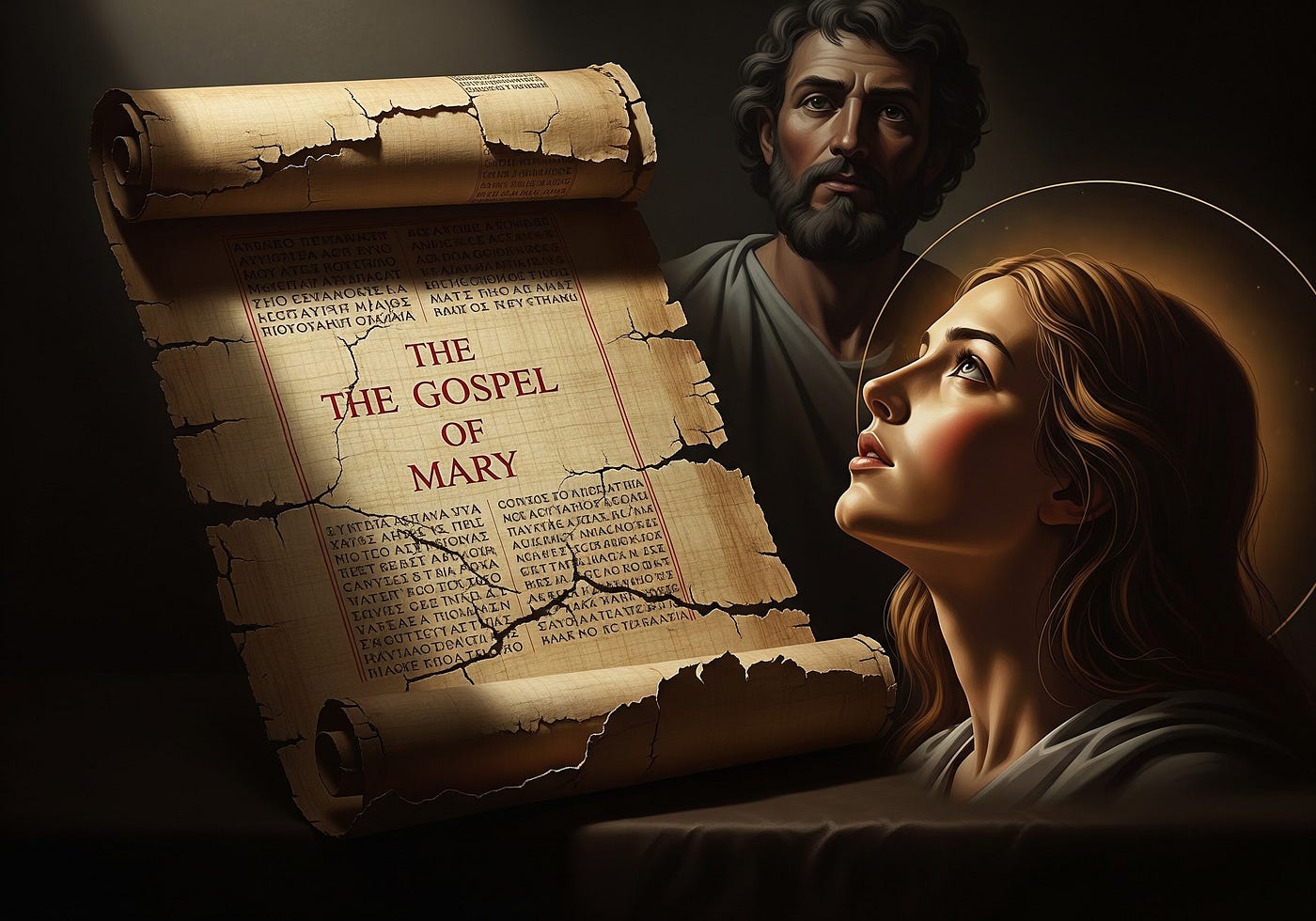
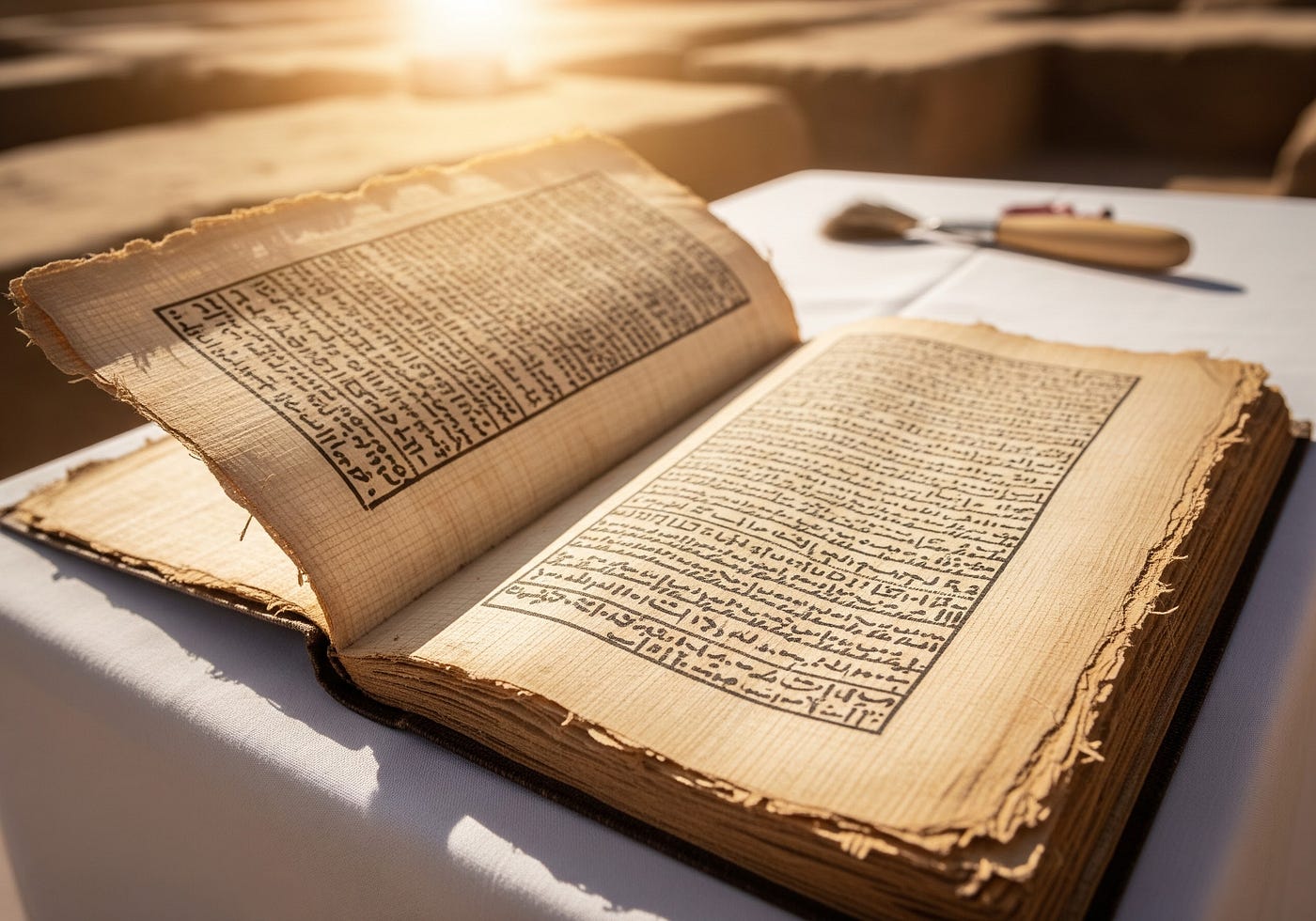
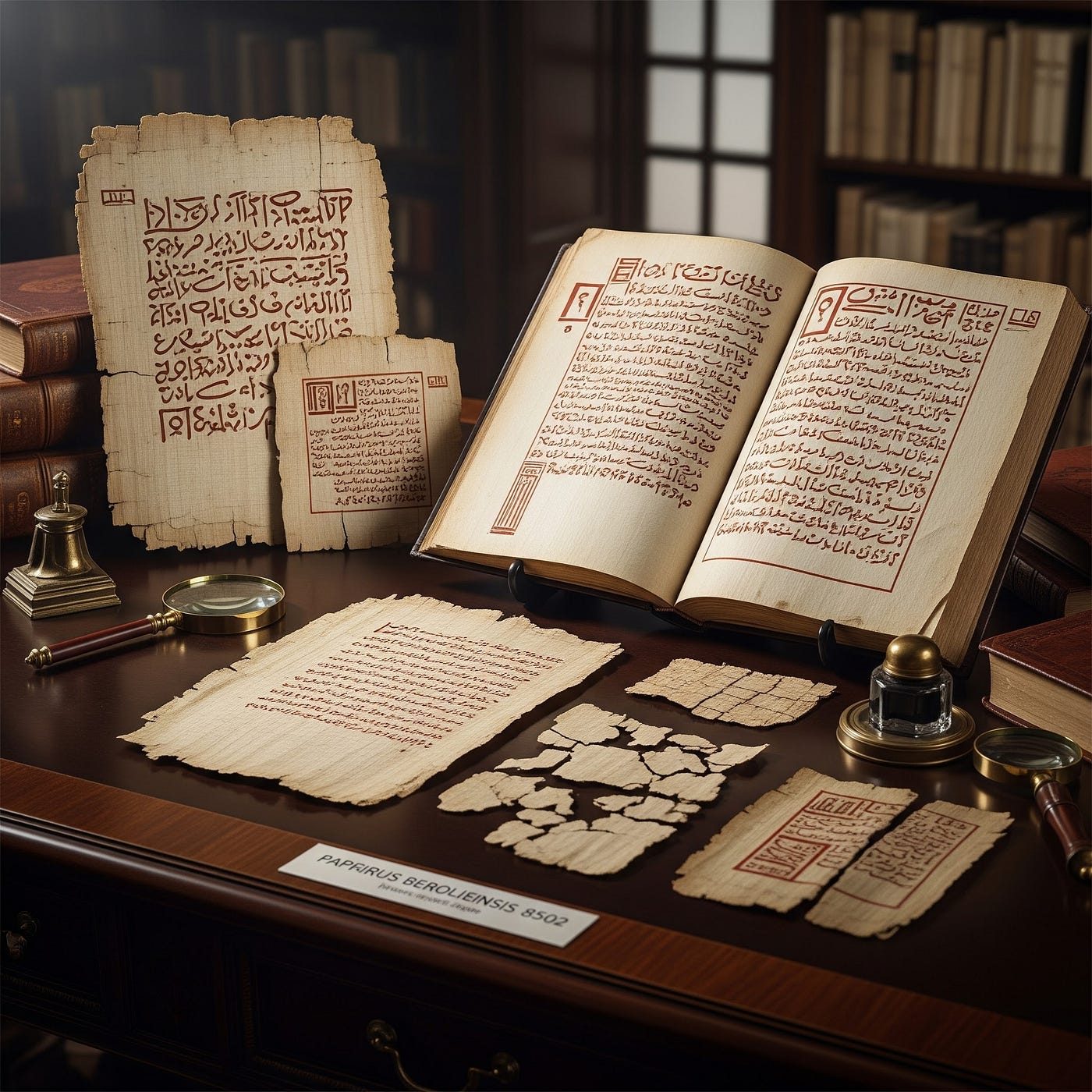
The Gospel of Mary is found in the Berlin Gnostic Codex (Papyrus Berolinensis 8502). This very important and well-preserved codex was discovered in the late-nineteenth century somewhere near Akhmim in upper Egypt. It was purchased in Cairo in 1896 by a German scholar, Dr. Carl Reinhardt, and then taken to Berlin.
Manuscript: The text is part of the Berlin Gnostic Codex (Papyrus Berolinensis 8502), which was copied in the late fourth or early fifth century, contains Coptic translations of three important early Christian Gnostic texts: the Gospel of Mary, the Apocryphon of John, Gospel of Mary, the Apocryphon of John, and the Sophia of Jesus Christ. The texts themselves were originally authored in Greek in the second century.
Discovery and Publication: Although the codex was purchased in 1896, its publication was significantly delayed until 1955 due to events like two world wars.
Comparison to Nag Hammadi: By the time of its publication, the large Nag Hammadi collection of Gnostic writings had also been recovered. Copies of the Apocryphon of John and Sophia of Jesus Christ were also found there, and the Berlin Codex texts were used to aid in translating them.
Gospel of Mary Significance: Most importantly, the Berlin Codex preserves the most complete surviving fragment of the Gospel of Mary, which identifies the Mary as Mary of Magdala. The discovery of two other small Greek fragments, unearthed in archaeological excavations at Oxyrhynchus, Egypt, provides evidence that the Gospel of Mary was widely distributed in early Christian times in both original Greek and a Coptic translation.
The Gospel’s content
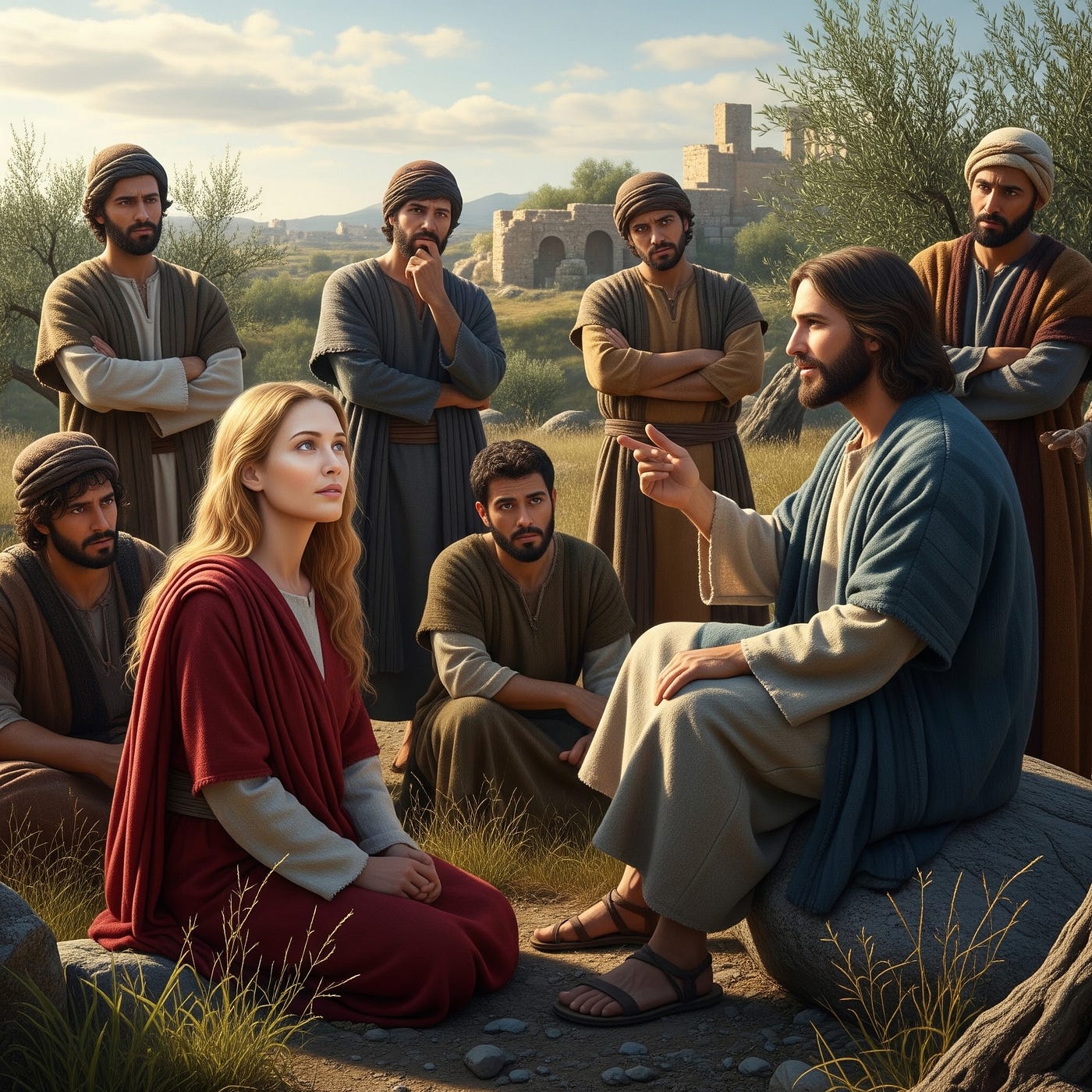
The Gospel of Mary is not a traditional narrative of Jesus’s life, but a post-resurrection Q&A session. Here are the key elements that are identified in the surviving manuscript of the Gospel of Mary (missing pages 1 to 6 and pages 11 to 14).
Fate of Substances: Matter and spirit will return to their respective roots at the end of time, with no mention of apocalyptic judgment.
What is Sin: Sin is defined as metaphysical adultery — confusing the temporal, material self with the eternal, true spiritual self. This confusion is the origin of sickness and death.
Salvation (Soteriology): Salvation is about understanding the Savior’s teachings to achieve eternal spiritual life and freedom from the material realm. It liberates one from suffering in this world through indifference (apathyā).
Divine Kingdom: The Divine realm is imminent to one’s true spiritual self, not a remote heaven or hell.
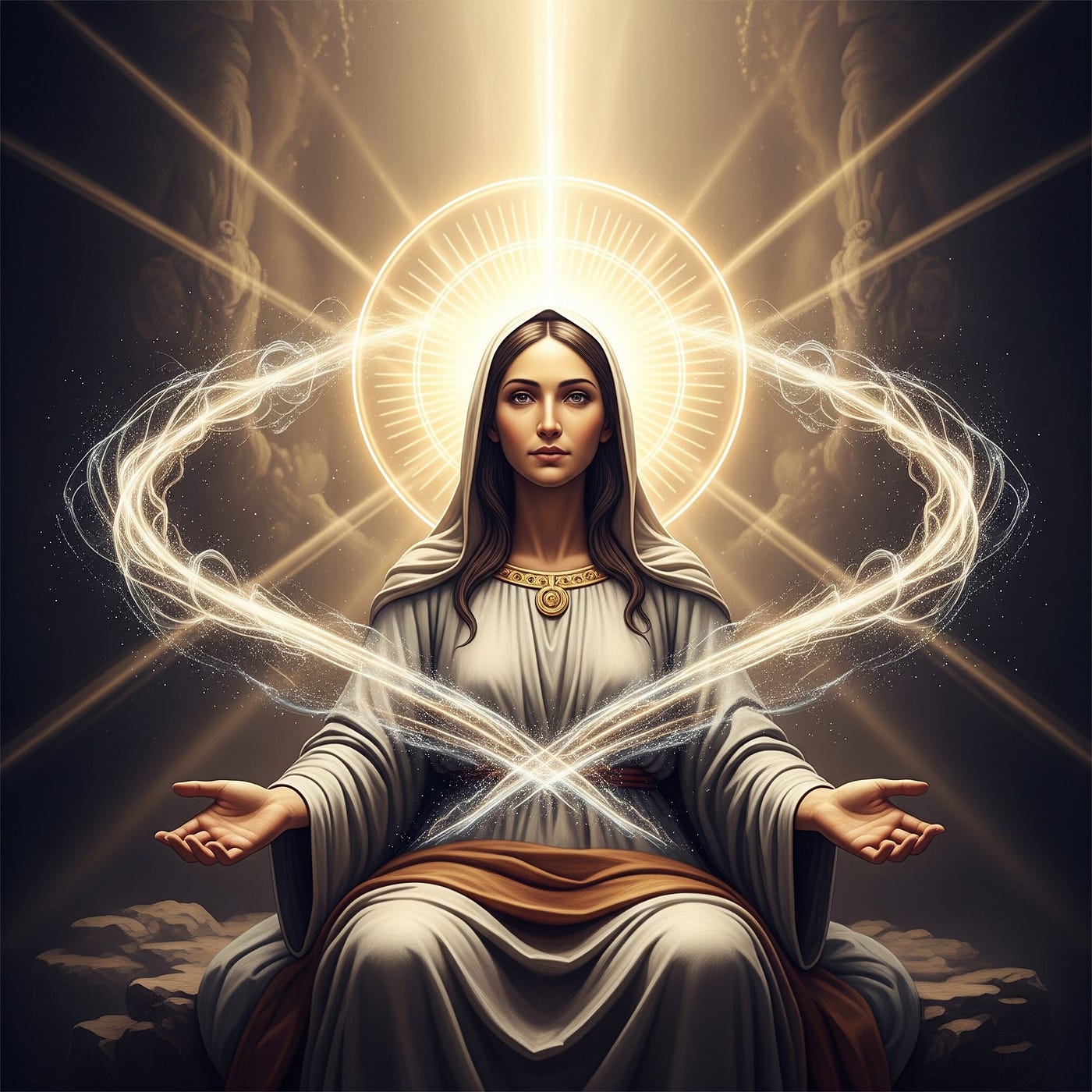
Role of Mary Magdalene
Mary Magdalene is presented as the true recipient of the Savior’s secret teachings and thus the legitimate heir of apostolic Christianity, enjoying a central and authoritative role:
True Recipient of Secret Teachings: She is presented as the true recipient of the Savior’s secret teachings and, therefore, the legitimate heir of apostolic Christianity.
Spiritual Authority: She has fully grasped the Savior’s teaching to “turn within,” unlike the other Apostles who are terrified of public teaching.
Teacher to Disciples: oppositions appeared though the man apostles such as Peter, but Levi acknowledged she was “uniquely loved” by the Savior. She instructs the other disciples on the escape of the Eternal Soul past celestial Gatekeepers (Powers of Wrath) by asserting its spiritual nature.
Crucial Role of the Mind: She is associated with the salvific truth that the “Mind” is crucial for grasping spiritual truth: “for where the mind is there is the treasure.”
Rivalry with Peter
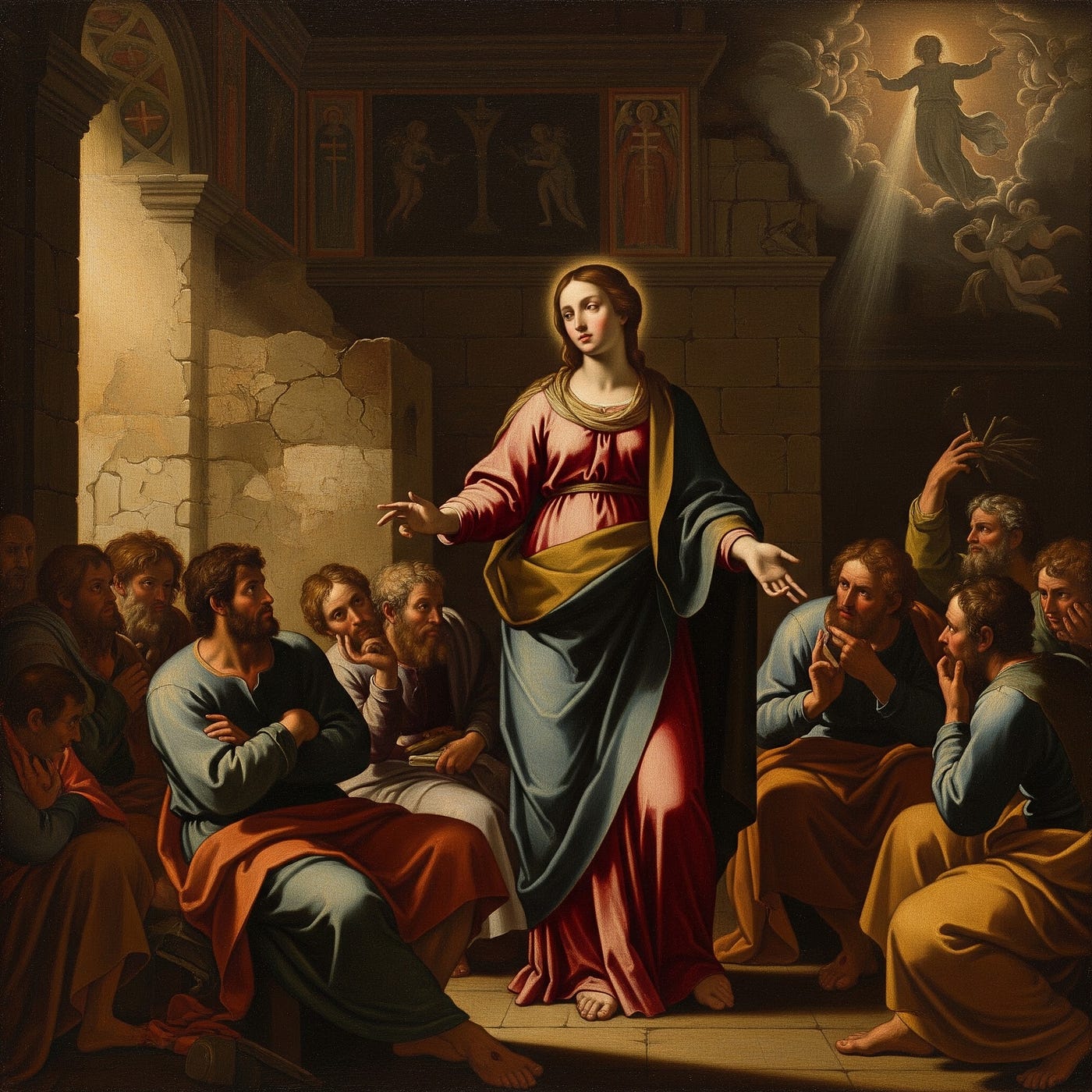
Mary’s prominence and teachings are immediately attacked by Andrew and then Peter, who questions if the Savior would reveal such things to a woman.
This is seen as a literary rivalry that may mirror a real-life rivalry between early Christian factions: a Marian soteriology (inward, decentralized, knowledge-based authority) versus a Petrine mode (outward, institutional, salvation through sacrifice).
Levi defends Mary, chastising Peter for his temper and comparing him to an archon (a demonic adversary).
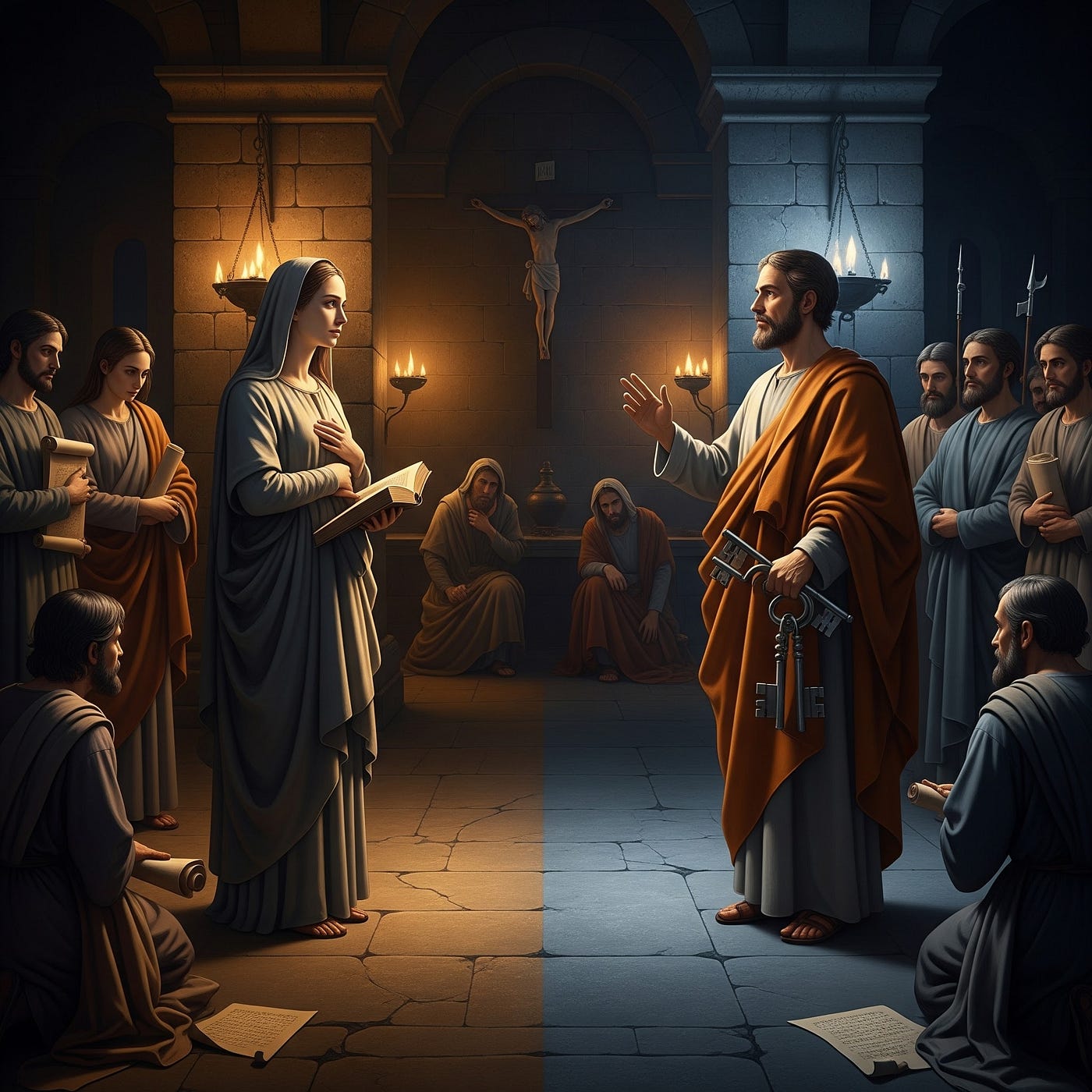
Comparison of Spiritual Authority
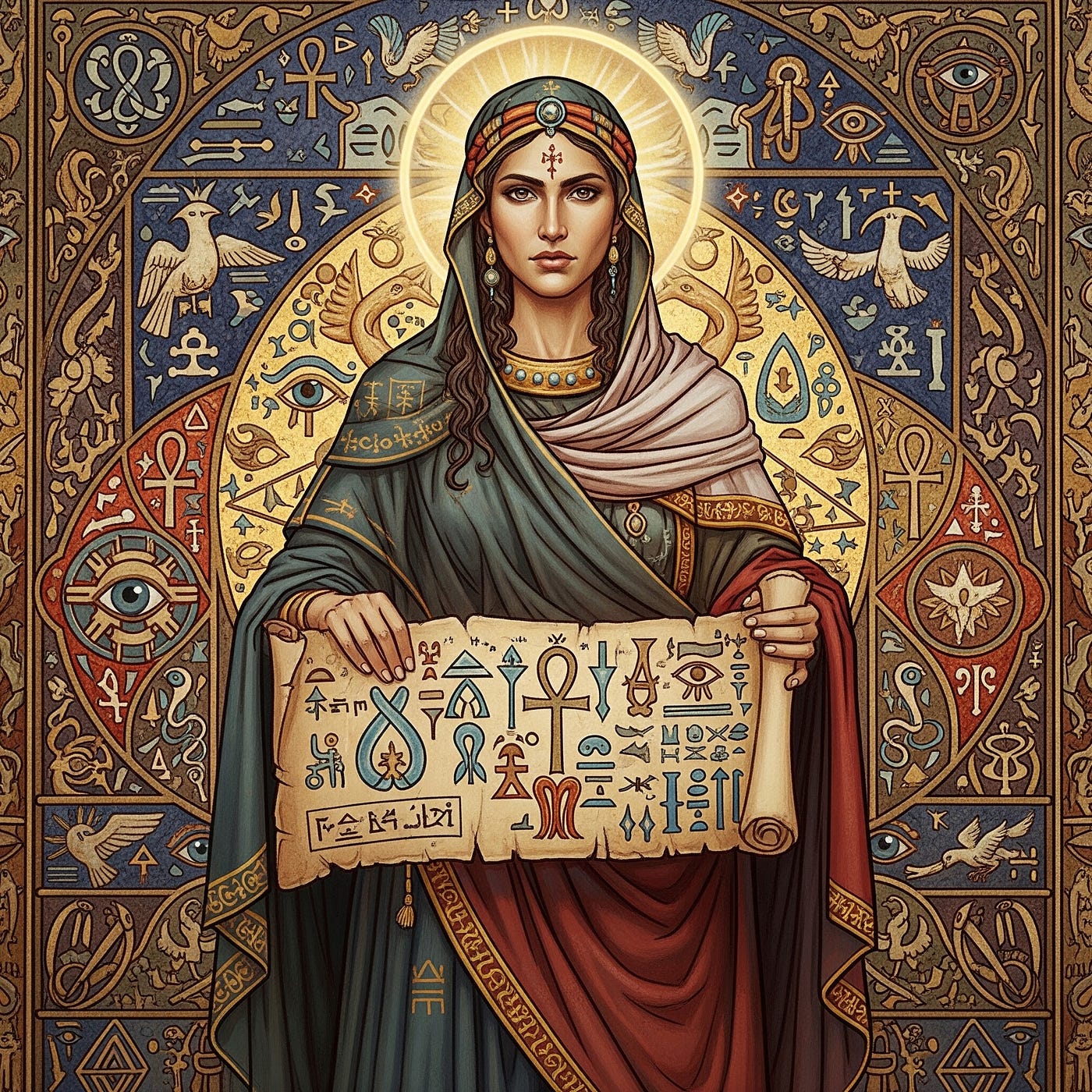
Salvation in the Gospel of Mary
Goal: To achieve eternal spiritual life and freedom from the material realm.
Method: It is achieved through an inward spiritual turn and self-knowledge of the soul, and by understanding the Savior’s teachings.
Contrast: This is presented as a radically different view from orthodox Christianity, which emphasizes the physical death and resurrection of Jesus for salvation.
Result: Gaining this understanding liberates one from suffering in this world through indifference
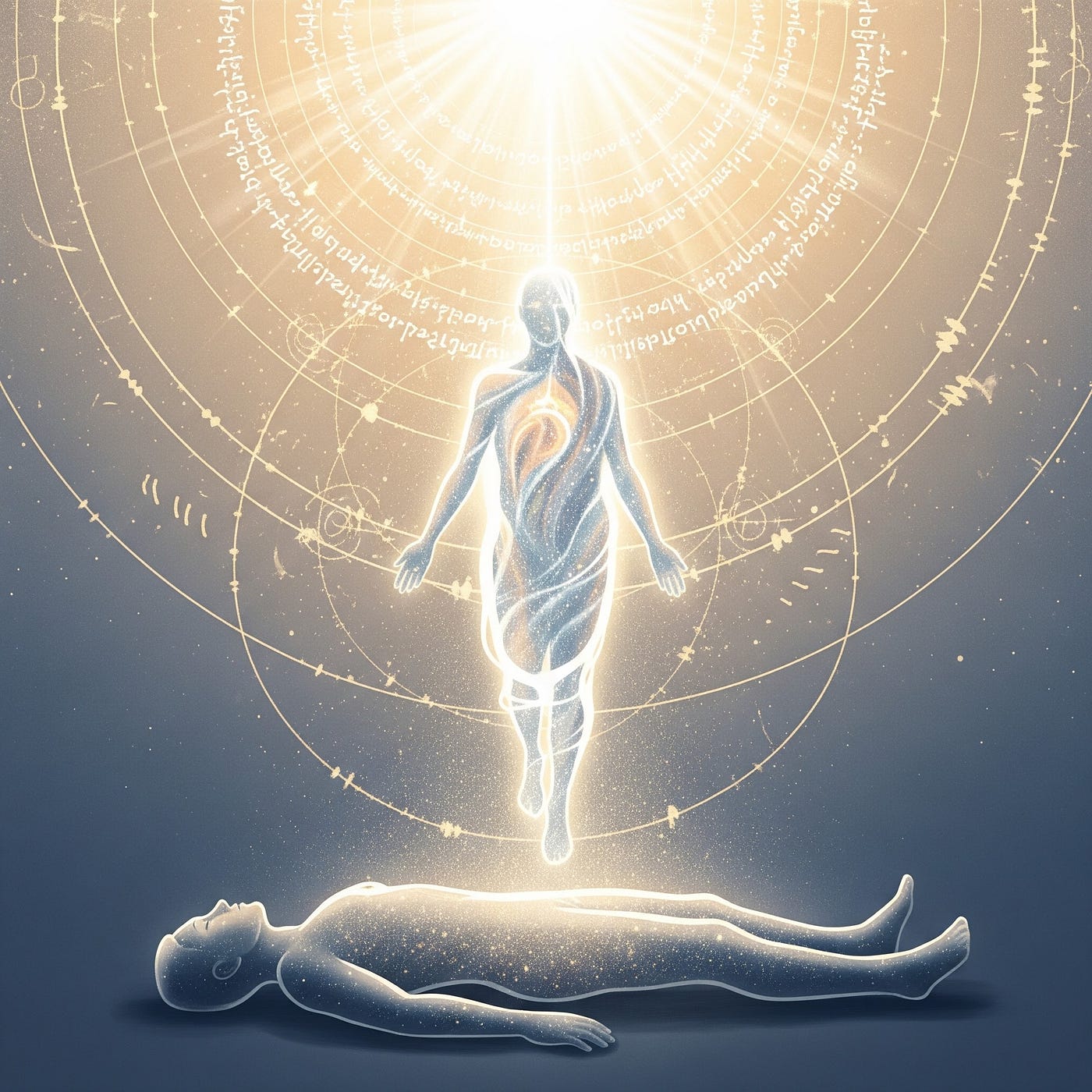
The key to achieving eternal spiritual life
An inward spiritual turn and self-knowledge of the soul.
Understanding the Savior’s teachings.
This is contrasted with orthodox Christianity, which emphasizes the physical death and resurrection of Jesus. The text also highlights the importance of the Mind for grasping this salvific truth, stating, “for where the mind is there is the treasure.”


Legitimity of Mary-Magdalene : reinstating Truth
In the context of early Christianity and the texts found at Nag Hammadi, the authority of Mary Magdalene was primarily recognized by Gnostic communities and certain “heterodox” Christian groups.
While the mainstream (Proto-Orthodox) church eventually sidelined her as a “penitent sinner” or a reformed prostitute (a label not found in the Gospels), Gnostic texts present her as a spiritual leader, a visionary, and the favorite disciple of Jesus.
1. The Gnostic Apostles (The “Pistis Sophia”)
In the Pistis Sophia, a major Gnostic text, Mary Magdalene is the dominant speaker. She asks more questions than all the other disciples combined.
The Recognition: Jesus praises her, saying: “Mary, thou blessed one, whom I will perfect in all mysteries of those of the height, discourse in openness, thou, whose heart is raised to the kingdom of heaven more than all thy brethren.”
The Role: She is seen as the one who truly “gets” the message, possessing a superior spiritual intuition.
In Gnostic thought, the “Syzygy” (divine pair) is a central concept. Mary is often seen as the earthly counterpart to the divine Sophia. By recognizing her authority, these communities were celebrating the feminine aspect of the Divine.
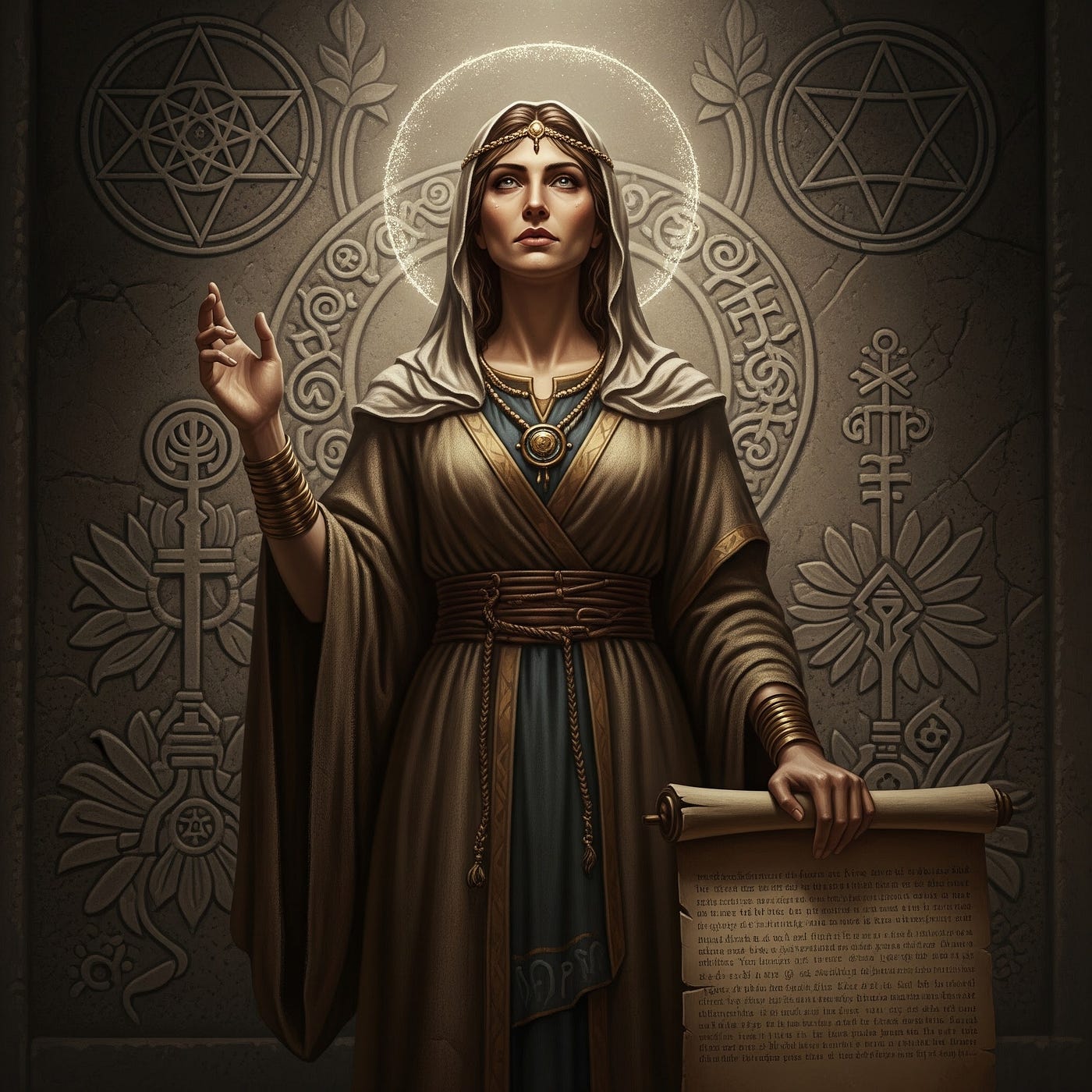
2. The Author of the Gospel of Mary
This fragment (found in the Berlin Codex, closely related to the Nag Hammadi find) is the most explicit defense of her authority.
The Visionary: After Jesus departs, the male apostles are terrified. Mary steps in to comfort them and reveals a private vision Jesus gave her about the soul’s ascent past the “Powers” of the world.
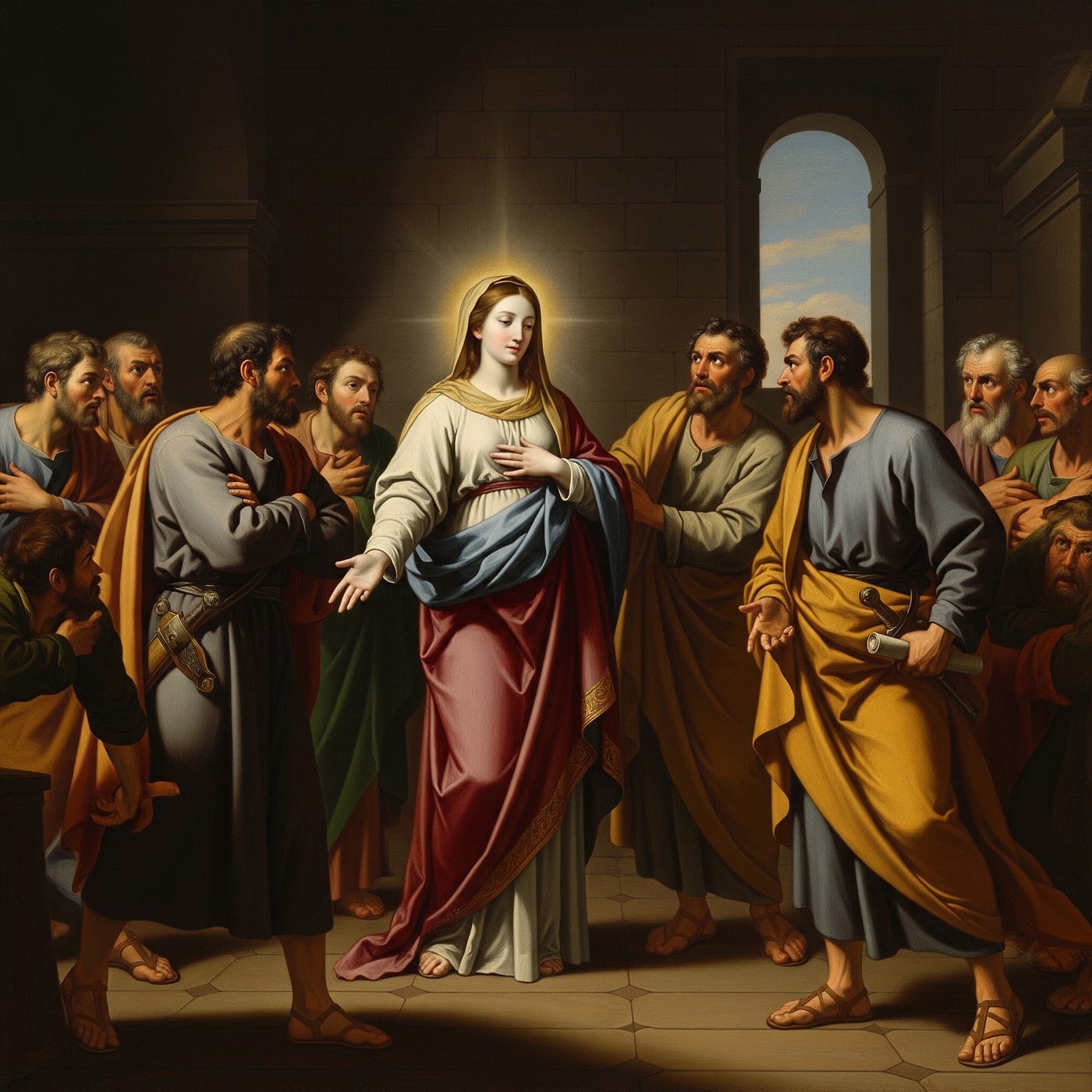
Levi (Matthew): When Peter angrily questions why Jesus would speak to a woman in private rather than to them, Levi defends her, saying: “If the Savior made her worthy, who are you then to reject her? Surely the Savior knows her very well. That is why he loved her more than us.”
3. The Gospel of Philip
The Gospel of Philip, a Gnostic text discovered in 1945 as part of the Nag Hammadi library, has a lot to say about Mary reinstating her spiritual authority :
The Companion: The text famously refers to Mary Magdalene as the “companion” of Jesus. The Coptic text uses the Greek loanword koinonos, which translates to “companion,” “partner,” or “associate.” While some interpret this as a marital partner, in Gnostic contexts, it often refers to a close spiritual associate or confidante.
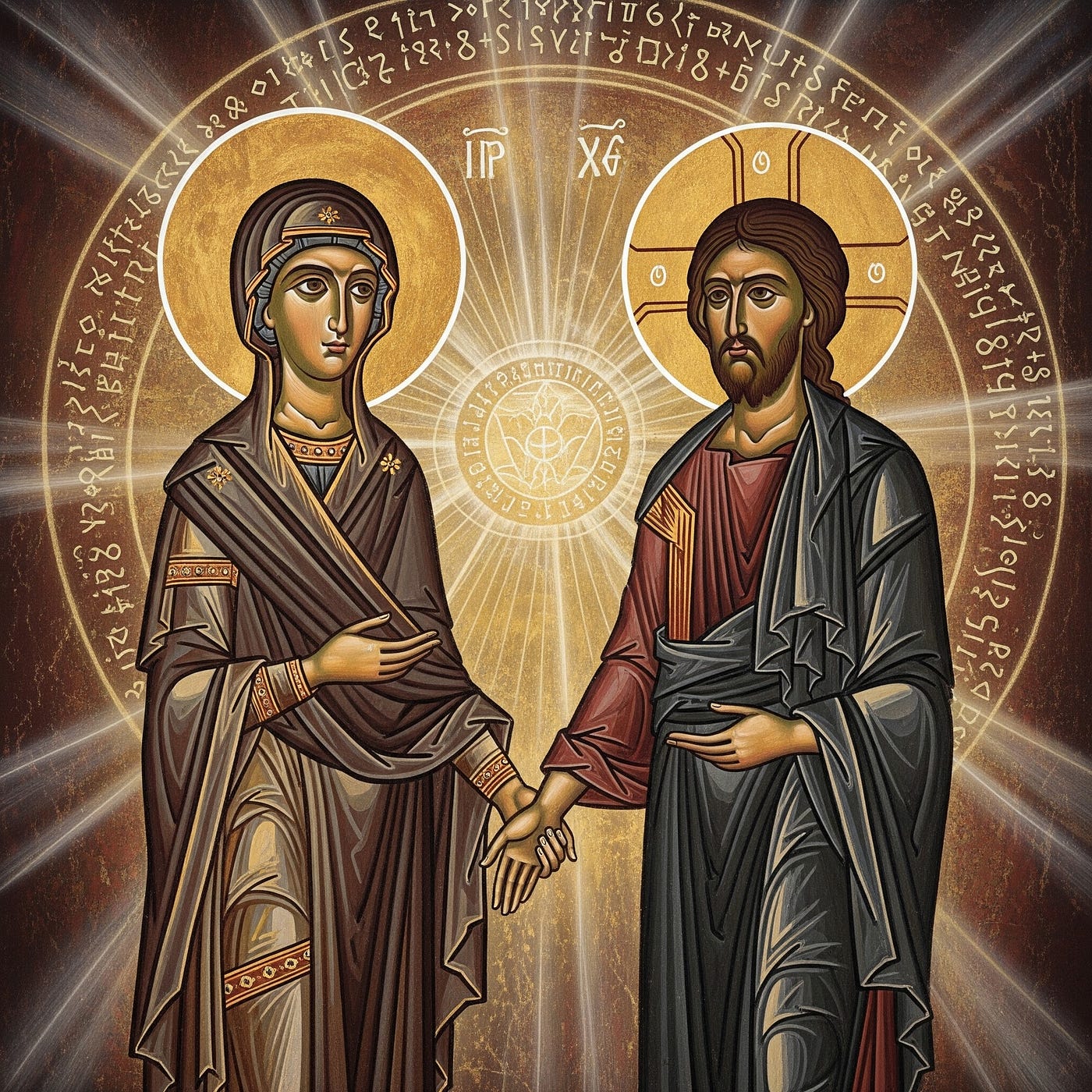
The Famous “Kiss” Passage: There is a highly debated and damaged section of the manuscript that describes Jesus kissing Mary. Because the ancient papyrus has a physical hole (a lacuna) right where the body part is mentioned, the exact text is lost, but scholars generally reconstruct it as “mouth.” “And the companion of the […] Mary Magdalene. […] loved her more than all the disciples, and used to kiss her often on her […]. The rest of the disciples […]. They said to him ‘Why do you love her more than all of us?’”
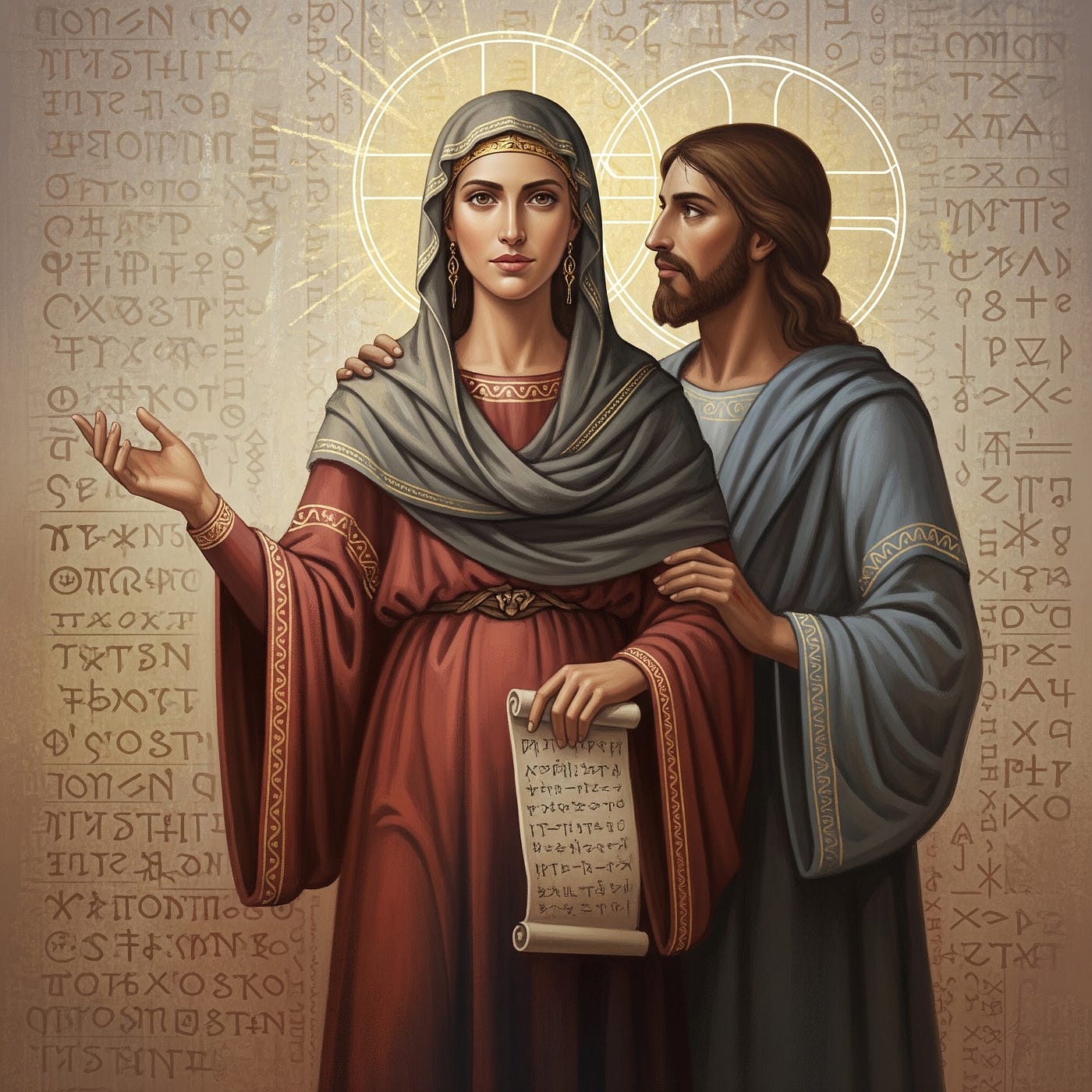
Spiritual Superiority: When the disciples express jealousy over Jesus’s favoritism toward Mary, Jesus responds with a parable about a blind man and a seeing man in the dark, implying that Mary possesses “sight” (spiritual insight or gnosis) that the male disciples lack.
The Three Marys
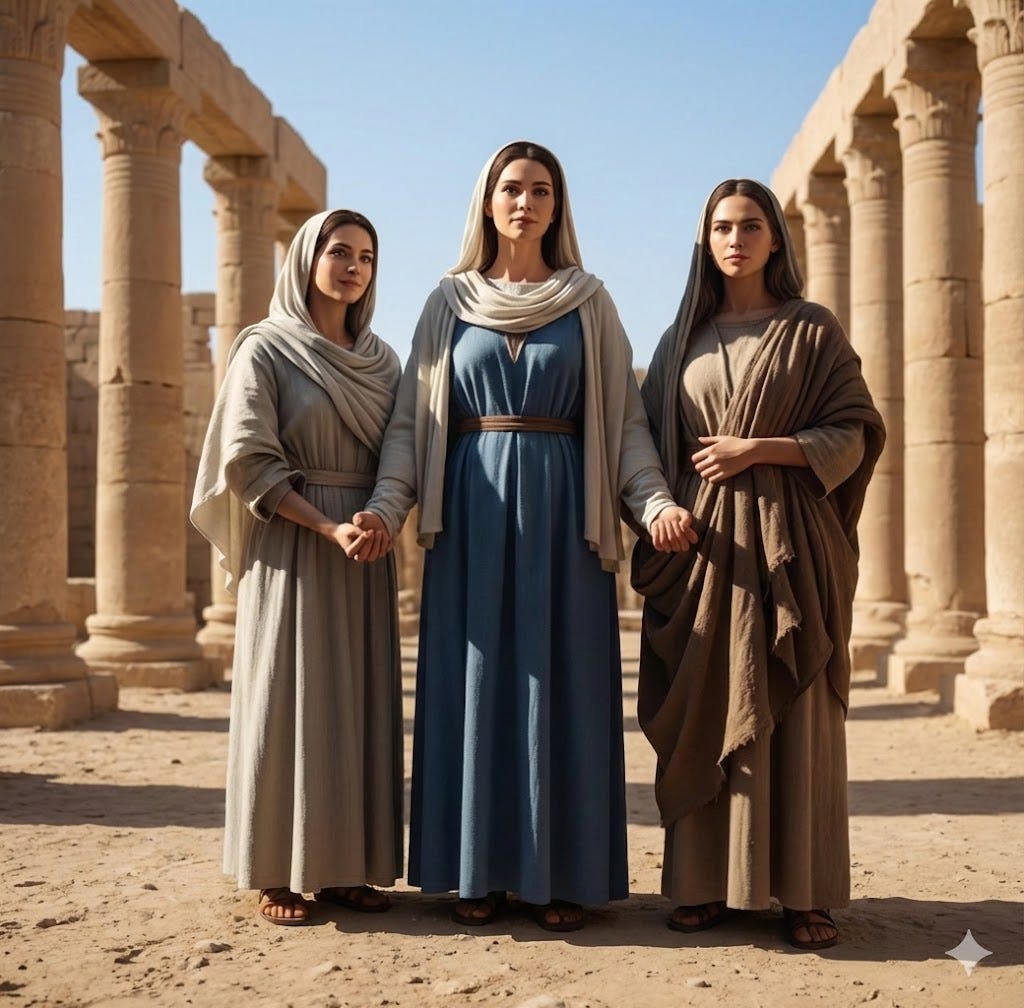
The Gospel of Philip explicitly grouped together the important women in Jesus’s life to emphasize their spiritual significance:
“There were three who always walked with the Lord: Mary, his mother, and her sister, and Magdalene, the one who was called his companion. His sister and his mother and his companion were each a Mary.”
This specific sentence highlights a pure Feminine Trinity. Those Gospels from the Berliner Codex and from the discoveries of Nag Hamadi, offer an unprecedented view about the place of women, inner knowledge and spiritual leadership. Those Gospels reinstate a noble and major role of feminine figure aligned with the true voice of the savior. Completely erasing the blame and guilt printed in the collective beliefs, the Mary trinity principle transmit the natural spiritual legacy of Jesus.
Why haven’t I heard more about Gnosticism ?
For a long time, we only knew about Gnosticism through the writings of their enemies (early Church Fathers who called them heretics). That changed in 1945 with the discovery of the Nag Hammadi Library in Egypt. This was a collection of lost texts, including:
The Gospel of Thomas: A book of secret sayings attributed to Jesus.
The Gospel of Mary: Highlighting Mary Magdalene’s role as a leader with special insight.
The Apocryphon of John: A detailed cosmogony explaining the “true” history of the universe.
Gnosticism in Pop Culture
You’ve likely seen Gnostic themes without realizing it. The idea that “the world is a lie and you need to wake up to your true nature” is the backbone of stories like:
The Matrix: Neo realizes the world is a simulation (material prison) and gains knowledge to escape.
The Truman Show: A man discovers his entire reality is a construct managed by a “creator” (the Demiurge).
I you want to go deeper in Gnostic knowledge, I highly recommend to read the following article written by David Senouf, that makes a brilliant and unique bridge between Gnosis and Buddhism ; A few similarities between Buddhism and Gnosticism.

References
- Gnosticism — The Gospel of Mary Magdalene — Salvation through Self-Knowledge of the Soul & Mind, Esoterica, YT(video) 2022
- The Gospel According to Mary Magdalene, The Gnostic Society Library, Gnostic Scriptures and Fragments
- A few similarities between Buddhism and Gnosticism, David Senouf, 2025
- The Gospel of Thomas, The Gnostic Society Library, Gnostic Scriptures and Fragments
- The Gospel of Philip, The Gnostic Society Library, Gnostic Scriptures and Fragments
- The Apocryphon of John, The Gnostic Society Library, Gnostic Scriptures and Fragments
- The Gospel of Truth, The Gnostic Society Library, Gnostic Scriptures and Fragments
- The Gnostic Library, David Senouf, 2026
Original on Medium · Sarha Desalme · Feb 22, 2026
Comments
Discussion via giscus and GitHub Discussions.