Animal Consciousness
Do animals have a soul ?
If you want French version, jump here : La Conscience Animale.
Abstract
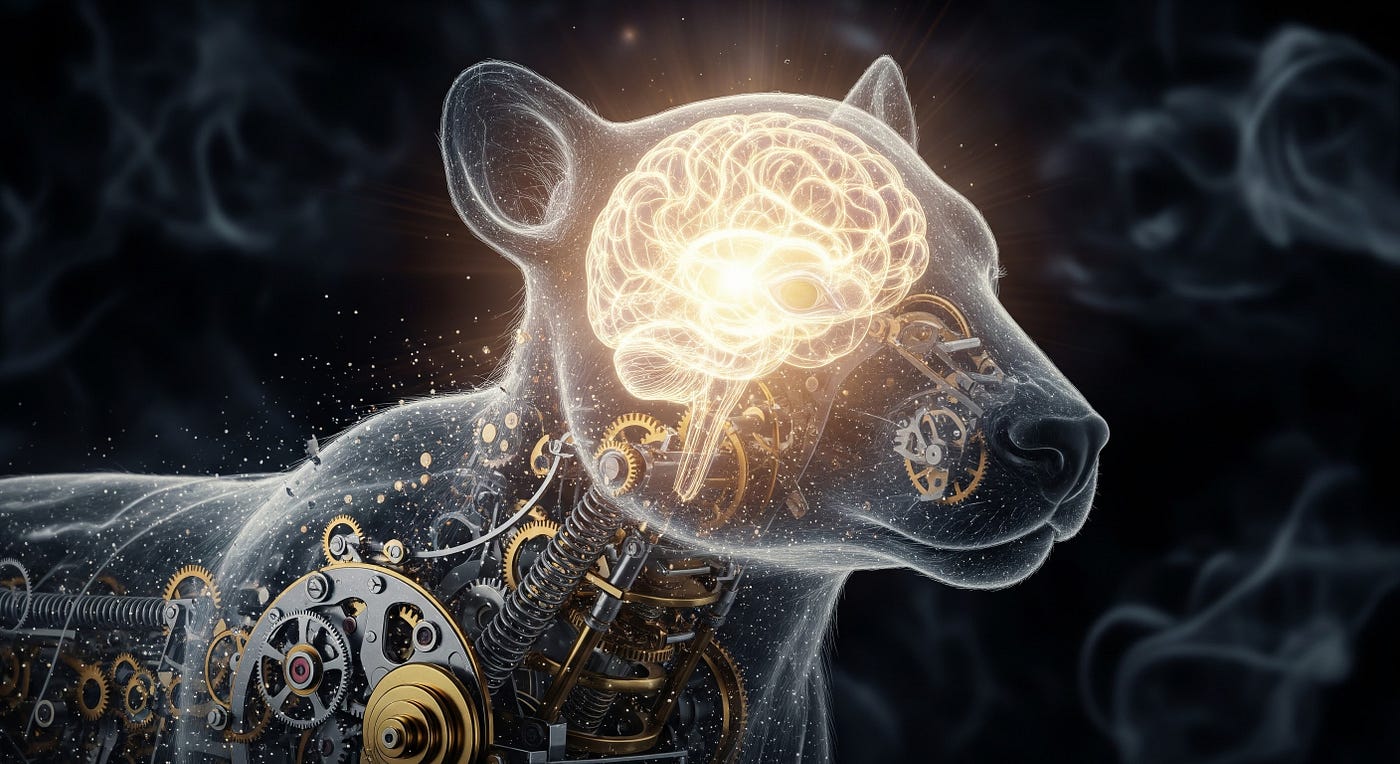
For centuries, the question of animal consciousness has been at the heart of a philosophical and scientific debate that shapes our relationship with living beings. Historically, the 17th century was marked by the profound influence of René Descartes and his theory of the “beast-machine,” which posited that non-human animals are mere biological automatons, devoid of a thinking soul (res cogitans), consciousness, reason, and therefore the capacity for psychological suffering. This hypothesis, while promoting medical advances at the time, paradoxically justified anthropocentrism and a certain cruelty towards the animal kingdom.
In response to this mechanistic view, we explores, on the one hand, early critiques, notably those of Michel de Montaigne in the 16th century, who argued for fundamental equality between humans and animals by denouncing “human presumption.” On the other hand, we examines the revolution in neuroscience and the Cambridge Declaration on Consciousness (2012), which definitively refute Cartesian dualism.
By moving away from the neocortex — the human logical filter — he demonstrates that the neurological substrates of consciousness reside in the limbic system, an ancient structure found in many species (mammals, birds, octopuses). He then proposes a series of innovative concepts to redefine animal consciousness, notably the “eternal present hypothesis ,“ in which emotions are experienced with absolute intensity because they are not filtered by human ”narrative,“ and the ”reducing valve theory” associated with the Umwelt, suggesting that human intelligence is actually a form of deliberately restricted perception.
We argue that animals are not inferior, but rather “hyper-souled” beings with an intense, unfiltered awareness of reality, reframing historical indifference and the ongoing treatment of animals as a contemporary “moral catastrophe” based on a scientifically obsolete premise.
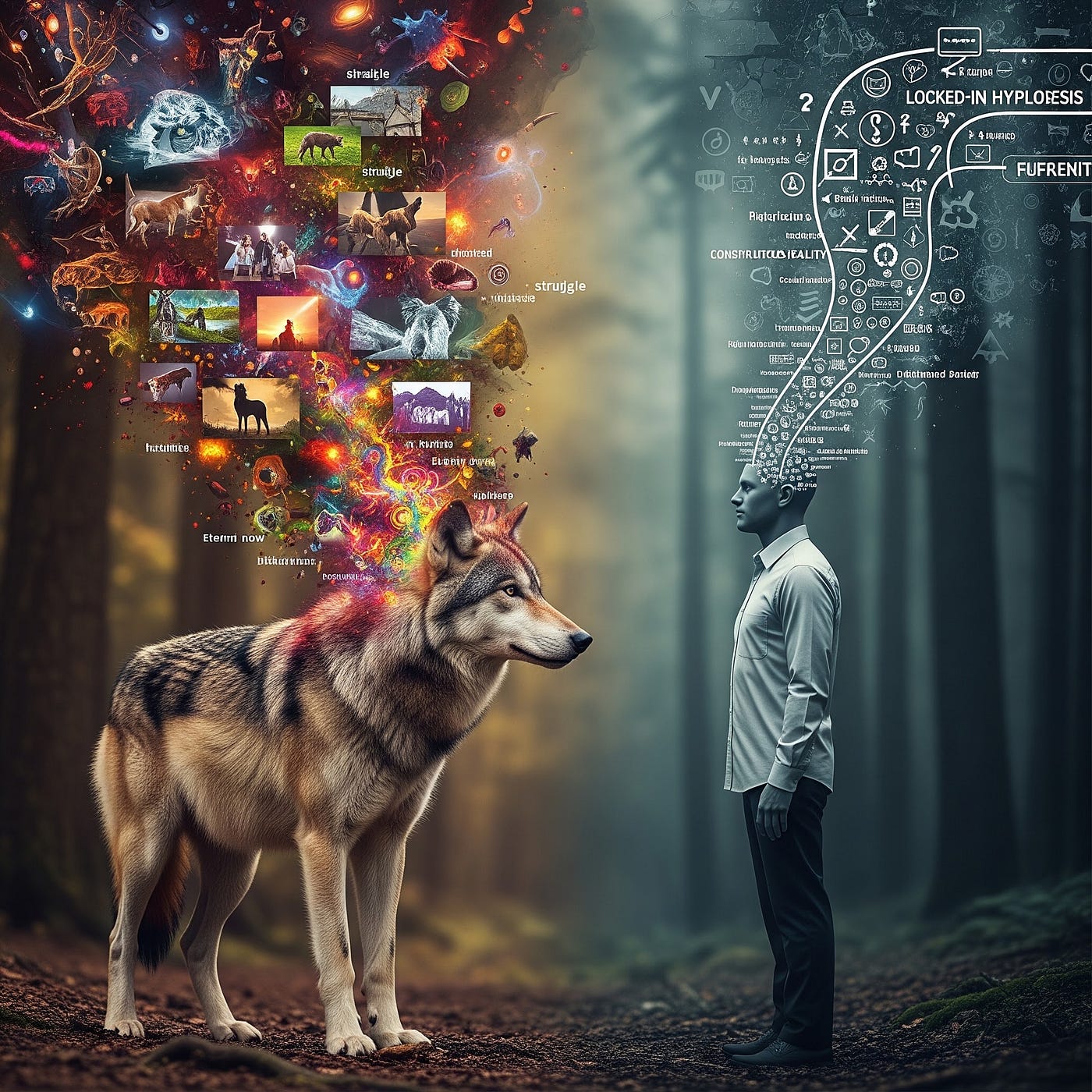
Table of Contents
Key Findings challenging the Cartesian idea of animals as biological robots
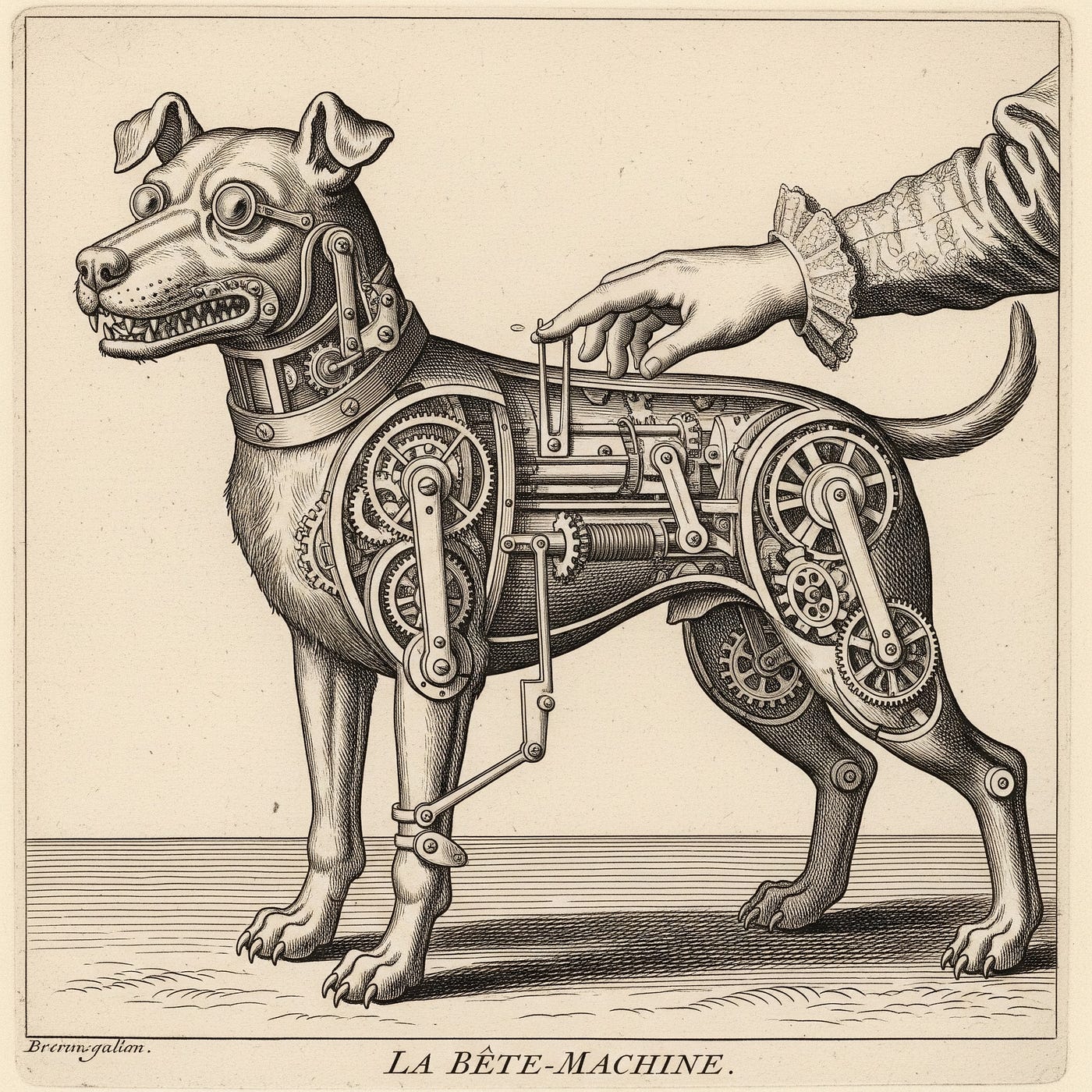
The philosopher who introduced the idea of animals as “biological machines” (or “bête machines”) was René Descartes in the 17th century
Here is the original French passage from Partie V of the Discours de la méthode (1637): “This will seem perfectly natural to those who, knowing how many different automata, or moving machines, human industry can produce… will consider this body as a machine which, having been made by the hands of God, is incomparably better ordered and has within it more admirable movements than any that can be invented by men.”
The Conclusion on Animal Reason “This shows not only that animals have less reason than humans, but that they have none at all.”
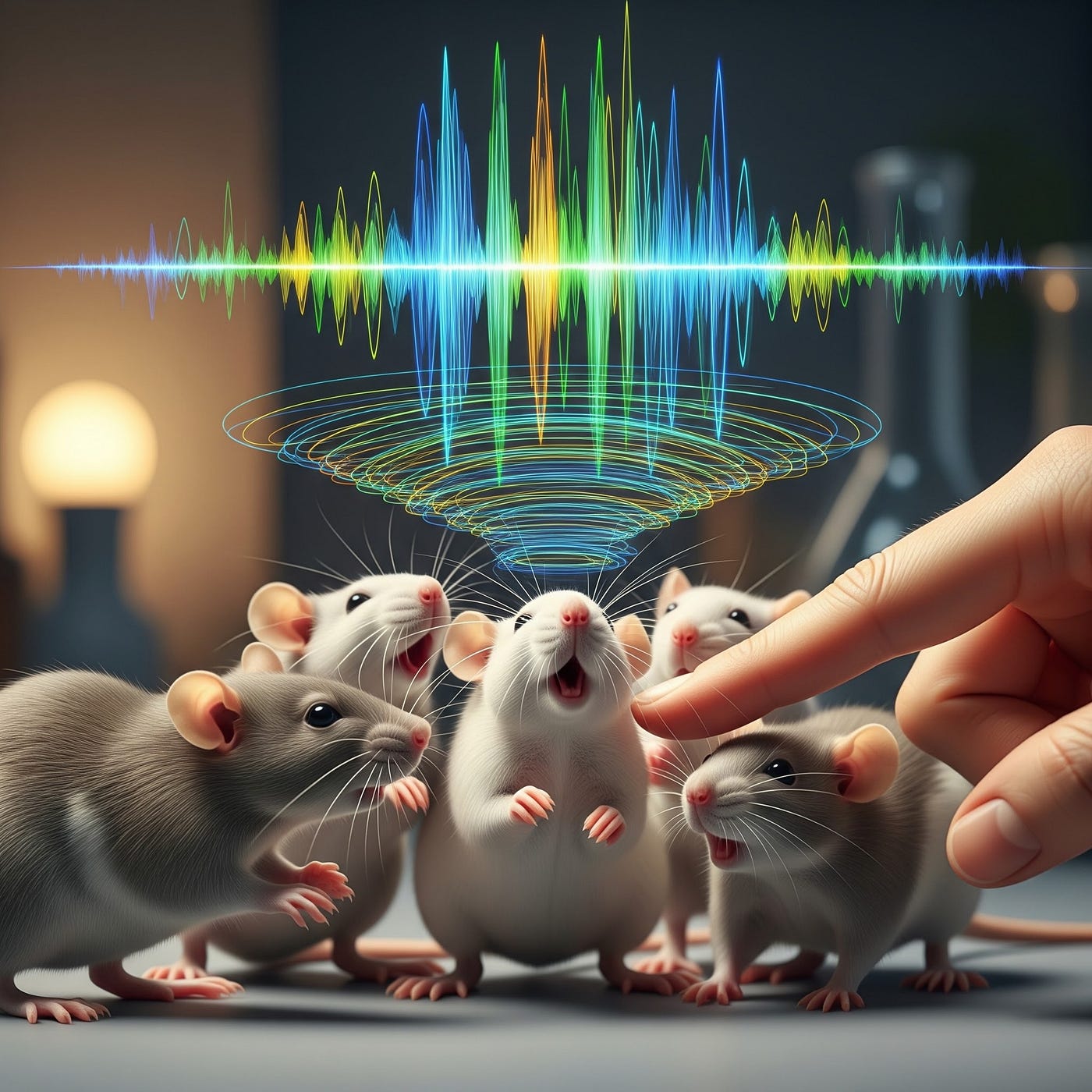
The neurological discovery from the late 1990s that challenged the Cartesian idea of animals as biological robots was the discovery of ultrasonic laughter in rats by neuroscientist Jaak Panksepp..
When rats were playing or being tickled, their vocal cords were vibrating to produce a distinct, rhythmic, and joyous sound at 50 kHz that was silent to the human ear. This was interpreted not as a mechanical reflex, but as an expression of social joy, suggesting that emotions are a foundation of the animal brain and directly contradicting the “clockwork theory” of animals. A part of the brain is lighting up during this laughter is the same part that lights up in the human brain when a joke is heard. — the periaqueductal gray matter.
The mechanism of pain
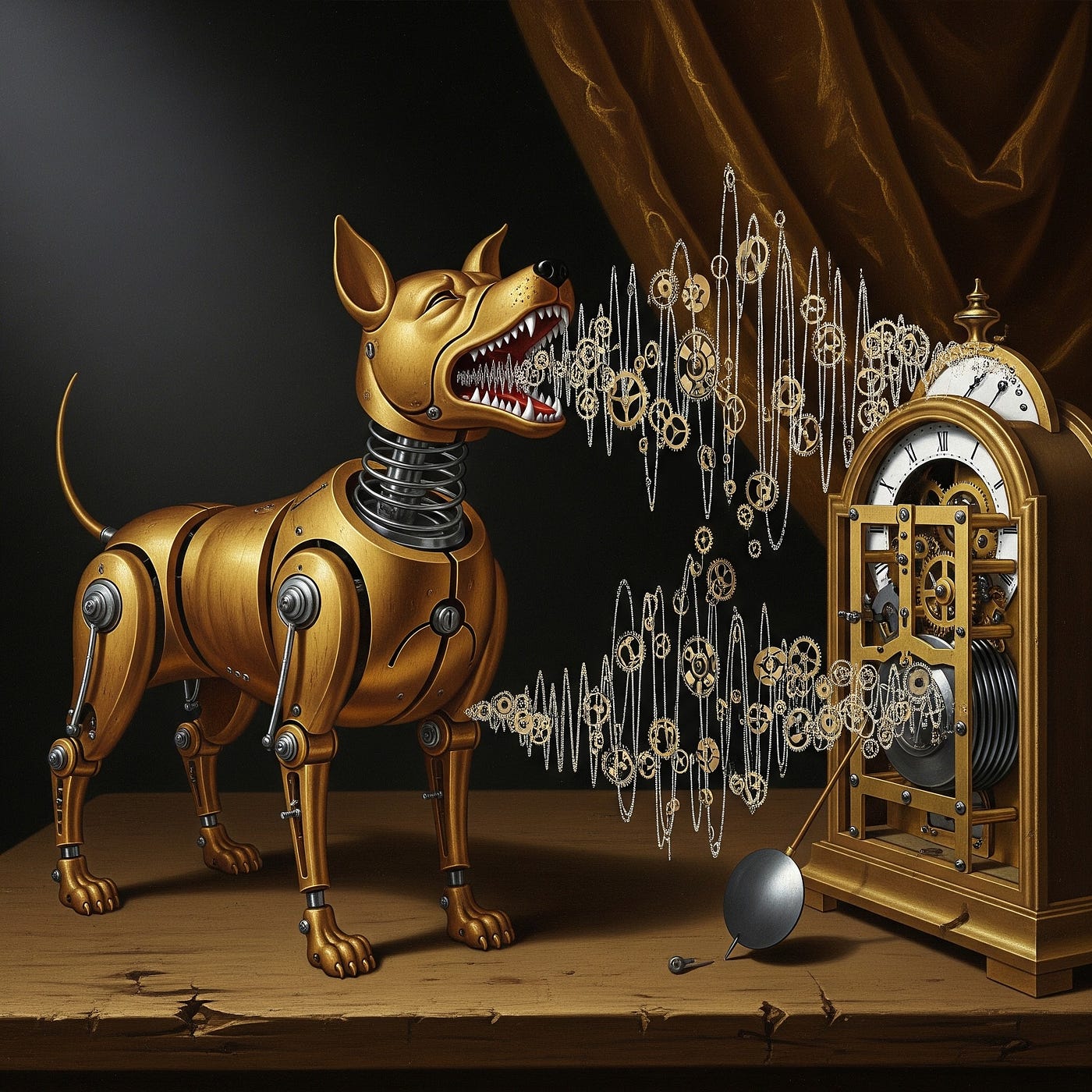
For Descartes, the absence of a rational soul meant that animals were essentially highly functional “clocks.” Since they lacked res cogitans (thinking substance), he claimed that their reactions to external stimuli were purely mechanical and not conscious experiences.
Descartes explained animal behavior by the movement of “animal spirits,” tiny particles present in the blood that circulated through the nerves to trigger muscle movements.
According to Descartes, “If you whip a dog, the cry it utters is no more a sign of pain than the sound of a clock striking the hour is a sign of emotion. It is simply a mechanical response to a physical stimulus.”
Main consequences of the “beast-machine” theory
Descartes believed that although animals had “life” (heat and movement), they did not have ‘thought’ and therefore lacked consciousness. Consequently, they did not “suffer” in the psychological sense of the term; they merely reacted.
Descartes said: “There is nothing more absurd than to infer from their cries when they are struck that they feel pain, for they also cry out when they are skinned alive, and yet it is not because they suffer; but only because nature has arranged their organs in such a way that, when the blow that makes them cry out is strong enough, it causes them to make a sound.”
The “Reflex Arc” Theory
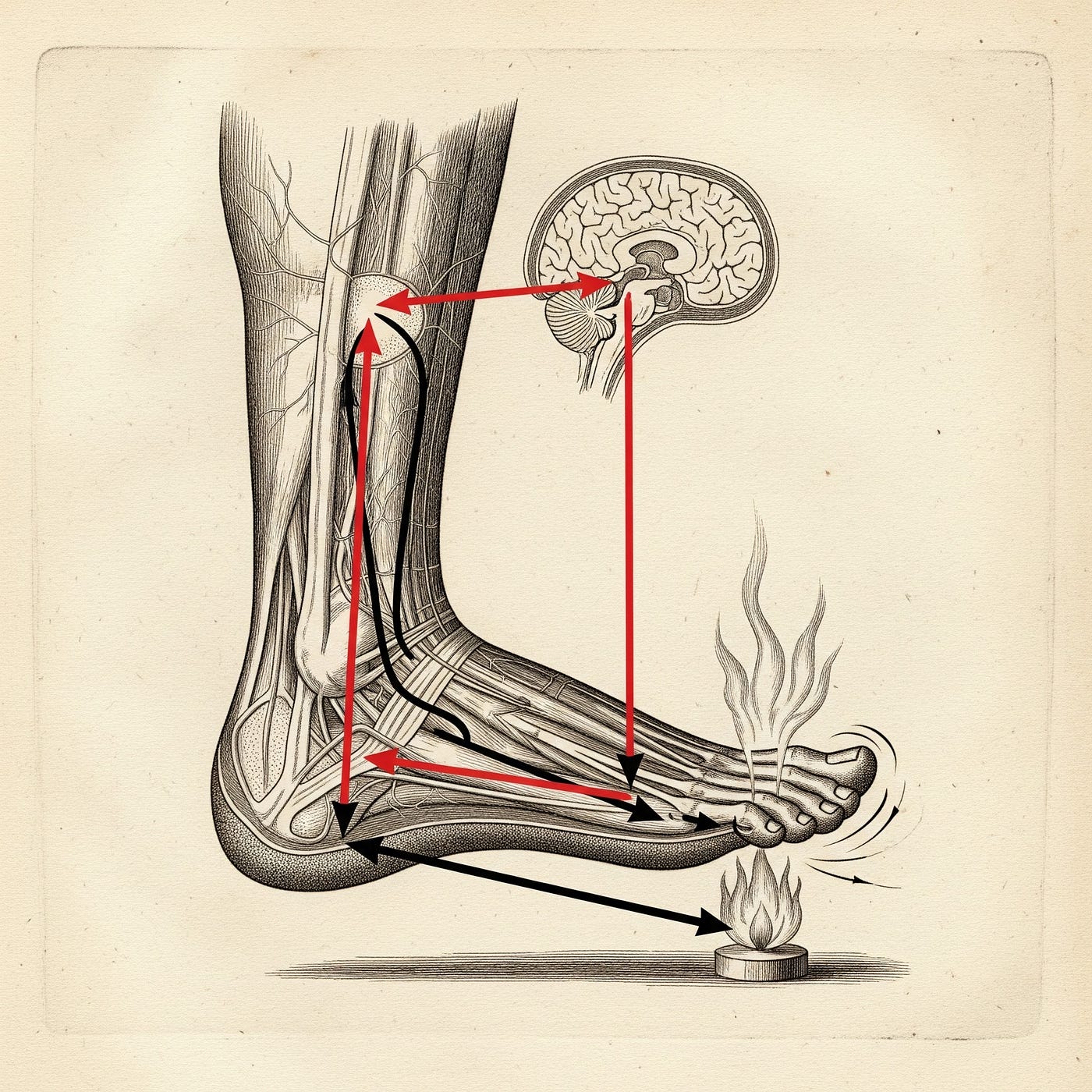
To justify his theory, he relied on the principle of the “reflex arc,” which demonstrates the reaction of a person’s foot when it is near a fire. It is a simple and purely physical neurological mechanism that Descartes used to show how a sensory stimulus (such as the heat of a fire) spreads through the “filaments” of the nerves to the brain, which then sends a signal back to the muscles, triggering an automatic motor response (e.g., pulling the foot away). By extension, this process, according to him, was sufficient to explain all animal behavior without the need for a soul.
The pineal gland: Descartes’ paradox or inconsistency?
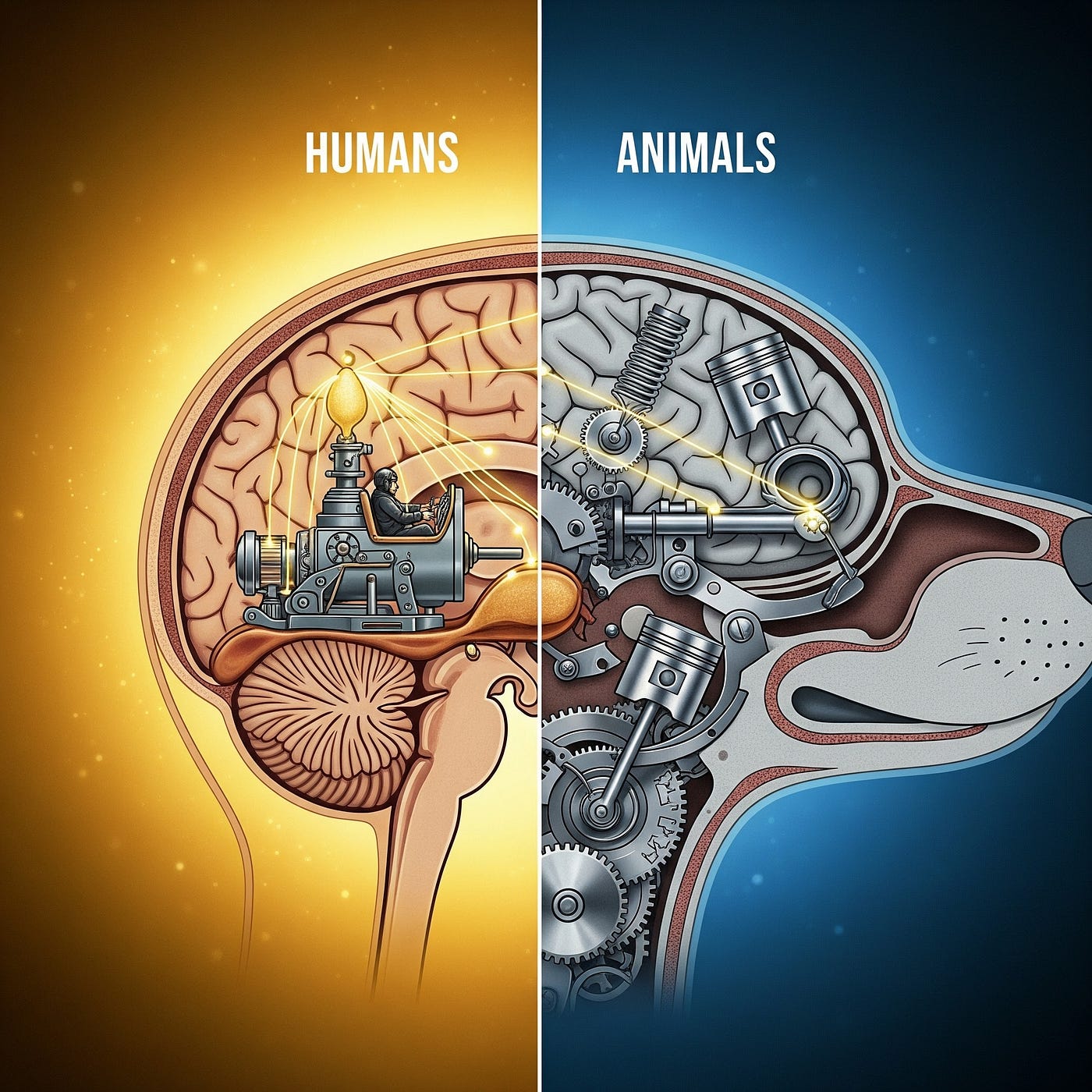
Descartes believed that in humans, the soul was located in the pineal gland, acting as a motor. In animals, the pineal gland existed, but it served only as a “valve” for animal spirits, with no “pilot” at the controls.
This philosophy was used by later Cartesians to justify vivisection (the dissection of living animals). They claimed that a dog’s cries were merely the “creaking of a machine” or the “vibration of a spring.”
How Descartes was right (and wrong)
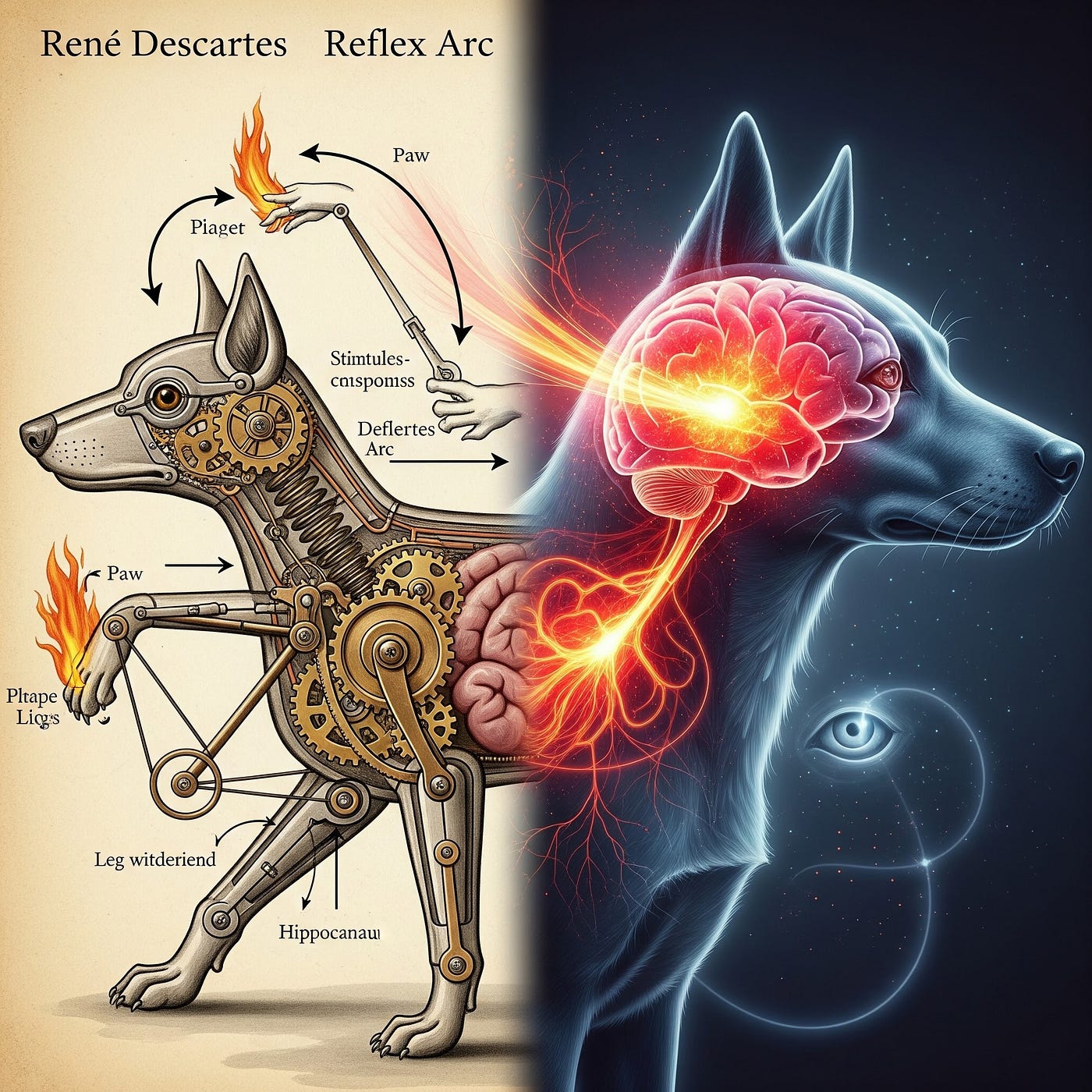
Right: he correctly identified the reflex arc. He was the first to describe how a sensory stimulus (such as heat) spreads to the brain and triggers an automatic motor response without requiring conscious thought.
Wrong: he thought that all animal behavior was reflexive. We now know that while reflexes do exist, animals also possess “affective consciousness”, the ability to feel fear, joy, and pain.
The critics’ response
Margaret Cavendish was one of the first to point out the flaw in Descartes’ “test” for evaluating reason. She argued that just because animals do not speak human language does not mean they do not think.
“ The reason we consider [animals] irrational is that we do not understand their foreign language, just as they do not understand ours.” — Observations on Experimental Philosophy (1666).
In the mid-18th century, Voltaire used common sense and anatomy to dismantle the “beast-machine” theory .“ He pointed out that a dog’s nervous system is almost identical to that of a human. ”Answer me, machinist, has nature placed all the springs of sensitivity in this animal so that it cannot feel? Does it have nerves to be insensitive?” — Philosophical Dictionary (1764).
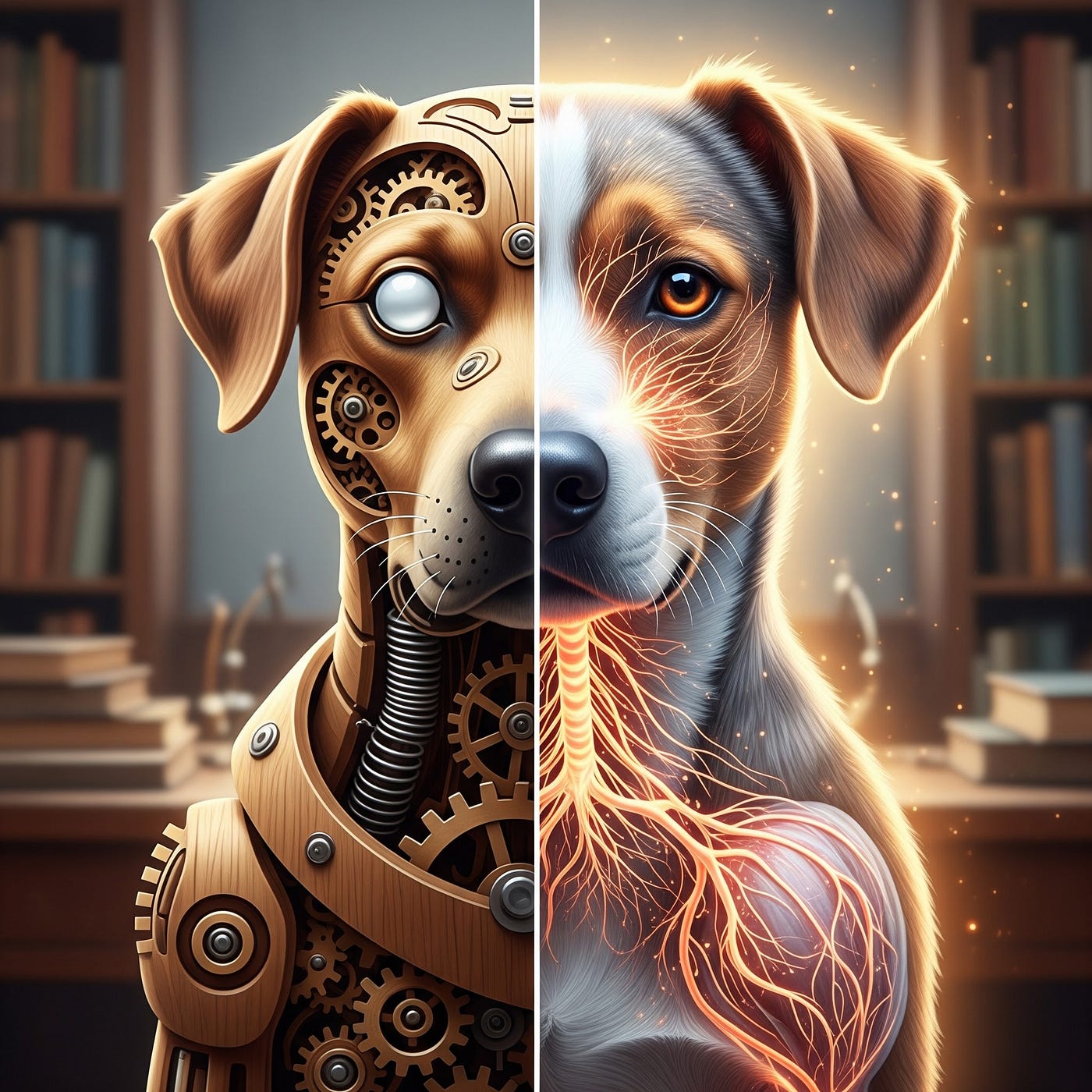
Montaigne’s revolutionary vision
Contrary to the prevailing belief that placed humans at the pinnacle of creation, Michel de Montaigne advocated for fundamental equality between humans and animals, a profoundly modern view of animals in the 16th century.
The pillars of his thinking are:
Criticism of human vanity
Animal intelligence and reason
The problem of communication
Moral superiority of animals?
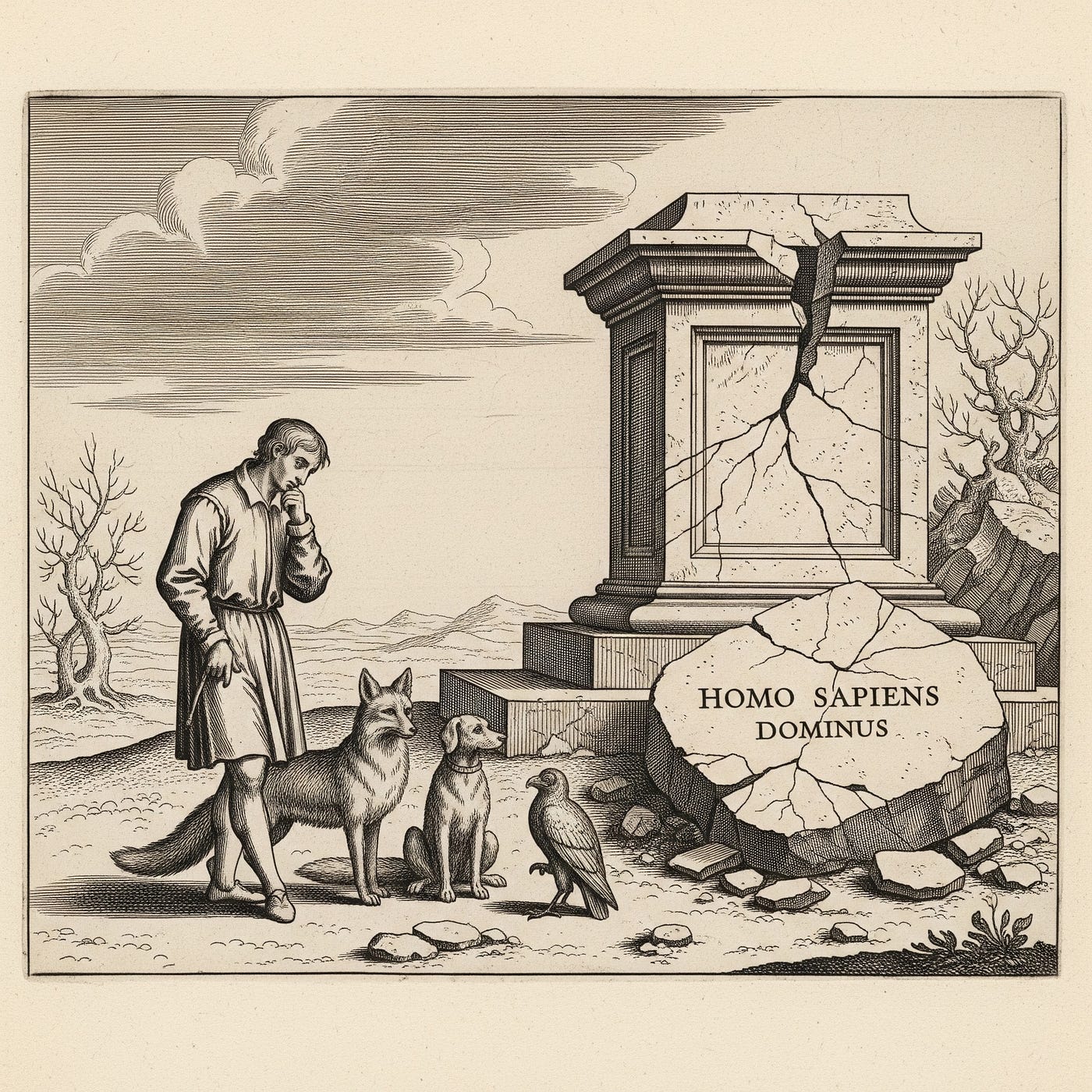
Criticism of human vanity (anti-anthropocentrism)
Montaigne attacks the arrogance of humans who believe themselves to be superior to other creatures. This is the core of his argument! For him, nothing in nature justifies man placing himself on a pedestal. He calls this “human presumption,” which he describes as “our natural and original disease,” the main symptom of which is when man thinks he is superior, leading to anthropocentrism and man’s contempt for the rest of nature.
According to Montaigne’s method: “From similar results, we must conclude that there are similar faculties.” In this, Montaigne reminds us that we are subject to the same natural laws (death, disease, physical needs) as animals.
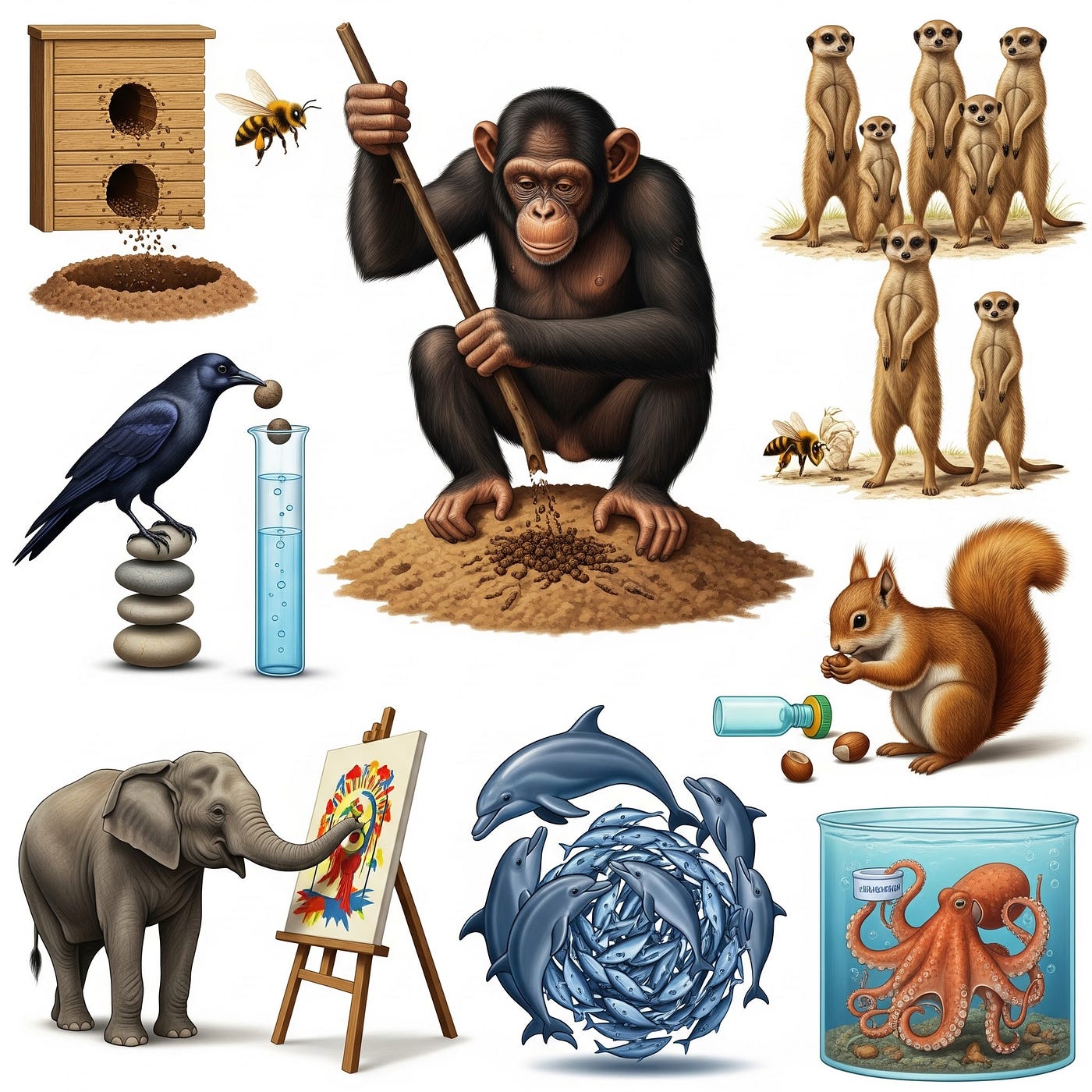
Animal intelligence and reason
Montaigne rejects the idea that animals act solely on blind “instinct.” He accumulates examples to prove that they demonstrate judgment, logic, and learning:
The cunning of the fox: He explains that a fox that tests the thickness of the ice before crossing a river is engaging in complex reasoning (physical deduction).
Bird’s Architecture: He admires the complexity of swallows’ nests and spider webs, pointing out that humans could not reproduce them without great skill.
The similarity between animal and human behavior leads to the following alternative: either animals reason like humans, or human reason is nothing more than instinct.
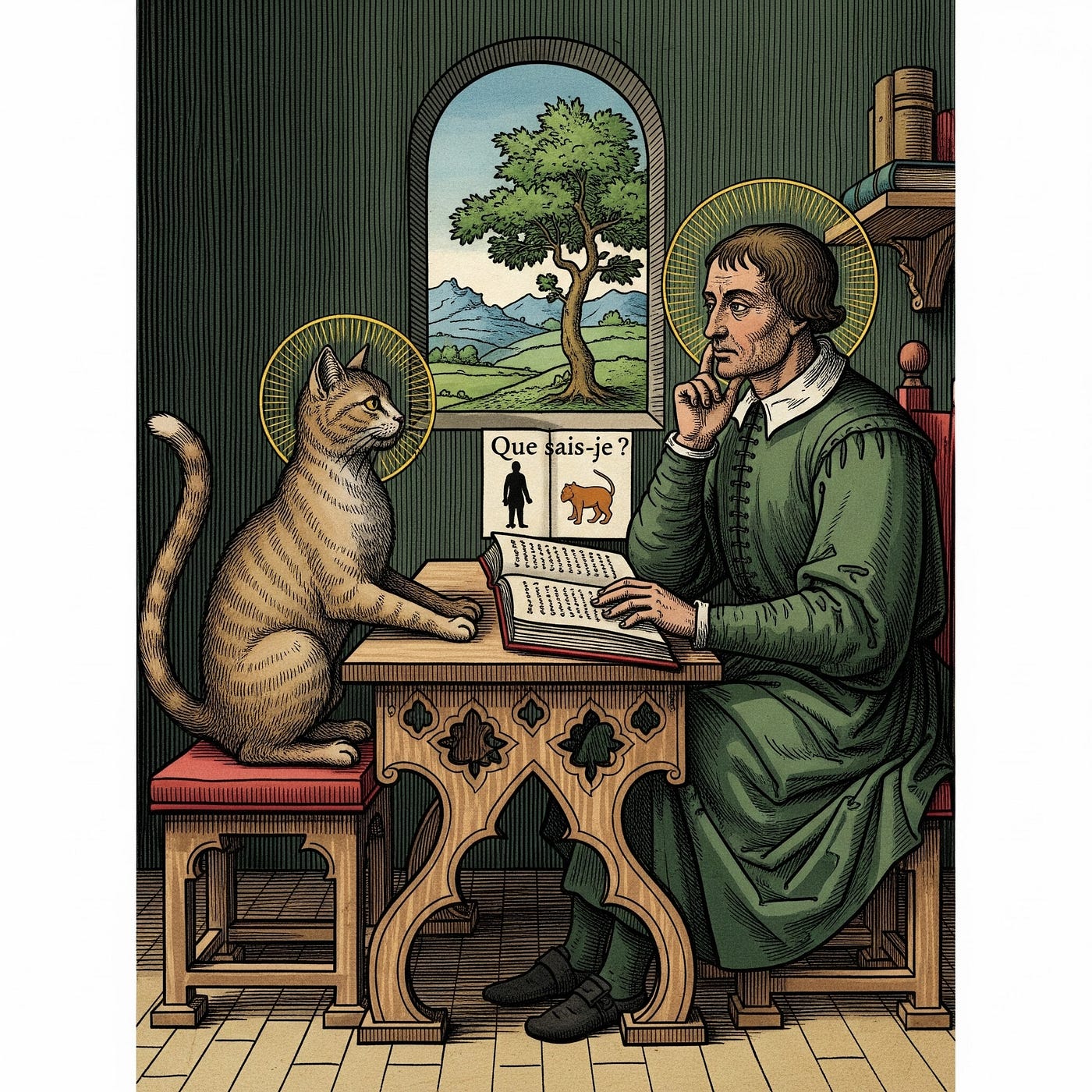
The problem of communication (The cat argument)
This is undoubtedly Montaigne’s most famous anecdote. It raises the question of subjectivity: if we do not understand animals, is it because they are “stupid” or because we are incapable of understanding them?
The reversal of perspective: animals are subjects that observe us, not just objects. Montaigne gave the following example: “When I play with my cat, who knows if she is not enjoying herself more than I am enjoying her?”

Theriophilia or Animalitarianism: moral superiority of animals?
The principles of “theriophilia” and “animalitarianism” were invented by George Boas and Arthur O. Lovejoy, whose principle supports the idea that animals are happier, more admirable, more ‘normal’ or “natural” than human beings.
This ties in with Montaigne’s fundamental idea that animals are often wiser than humans because:
They live in the present and do not torture themselves with fear of future death.
They show moderation (they only eat what they need).
They do not wage war for abstract ideas.
For Montaigne, humans are neither masters nor owners of nature. They are members of a large family. He writes that we owe animals a “duty of justice and charity.” This vision foreshadows modern ethology and current debates on the condition of animals.

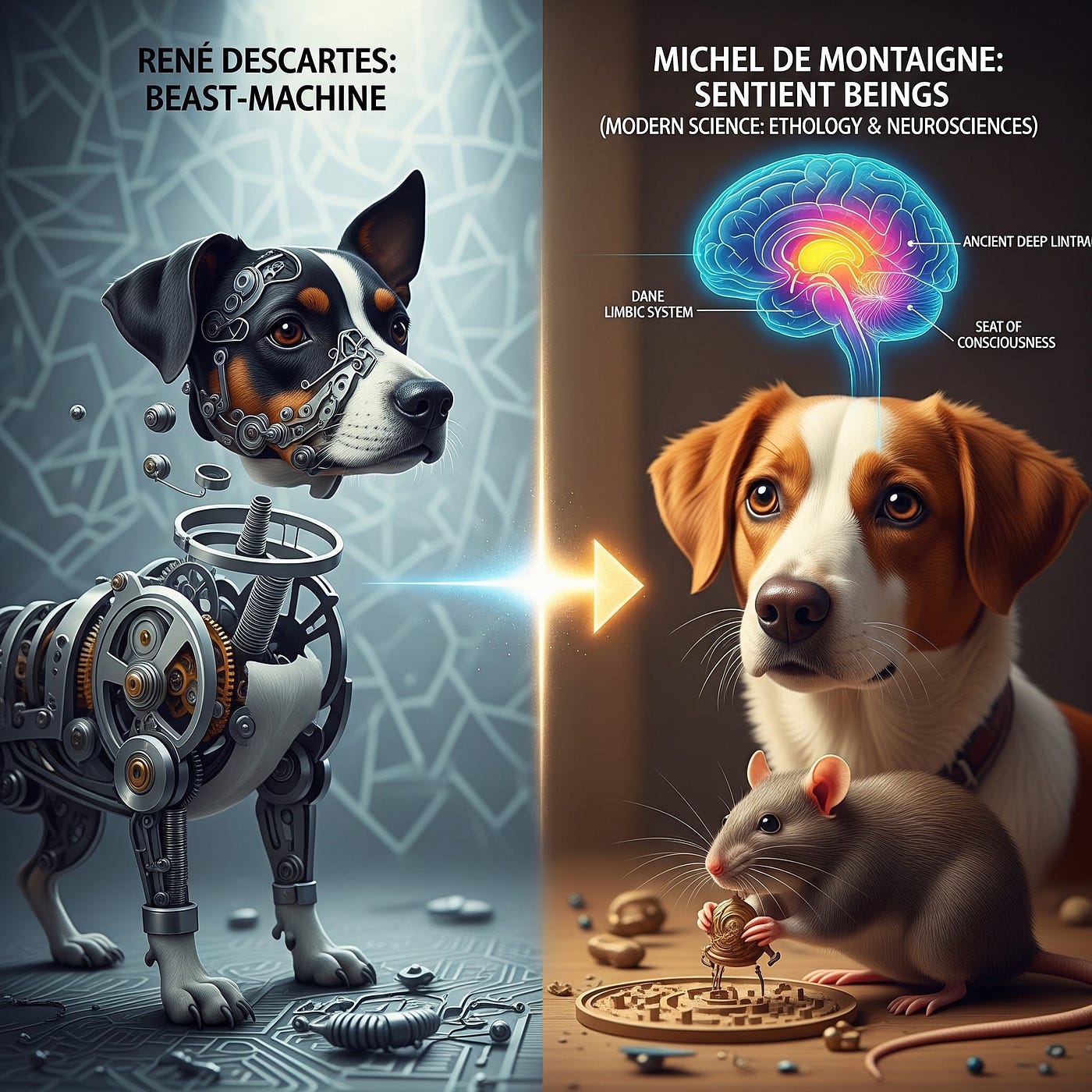
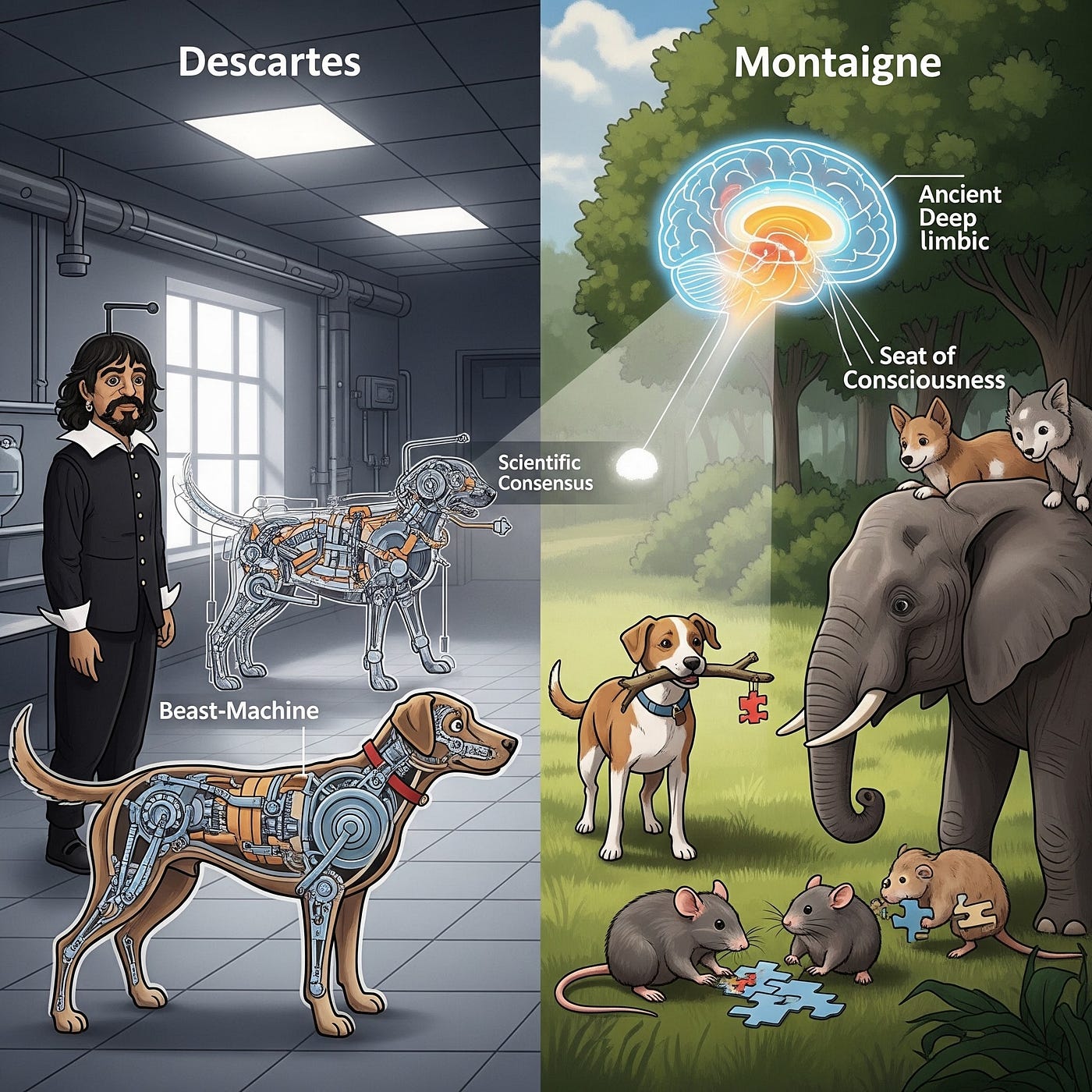
Descartes or Montaigne: Who was right?
Today, science (ethology, neuroscience) has largely proven Montaigne right. We know that animals feel pain (sentience). We know that some have self-awareness (mirror test), complex cultures, and languages. Descartes’ view is now considered a scientific error, although it led to medical advances at the time.
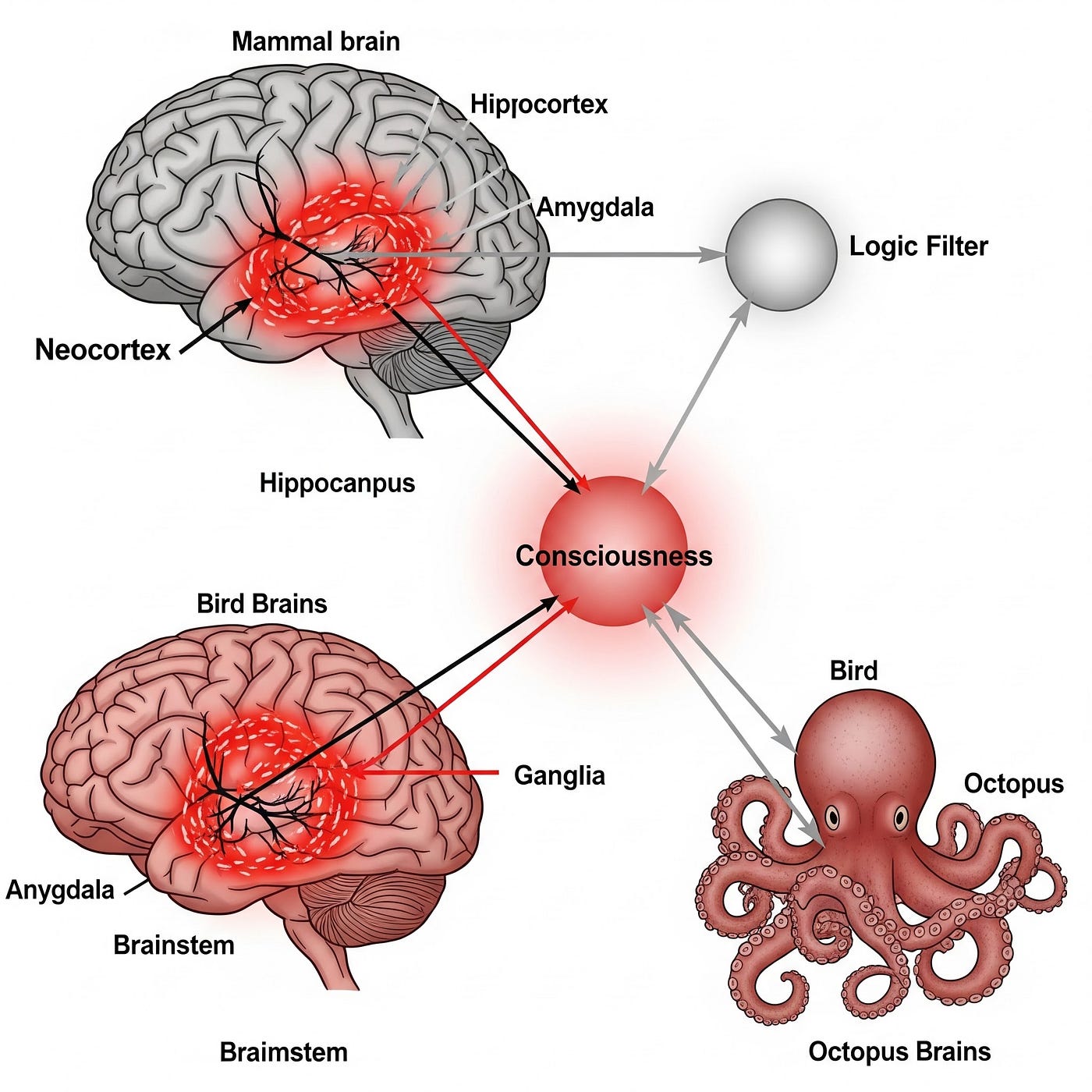
The Limbic system is identified as the true seat of consciousness
The neurological area identified as the true seat of consciousness is the limbic system and other ancient, subcortical structures (like the periaqueductal gray matter). We explicitly state that it is not unique to humans.
It is described as being “much older and much deeper” than the neocortex (the logic filter) and is “homologous” (structurally similar) across all mammals, birds, and even creatures like octopuses, all of whom are stated to “possess the neurological substrates that generate consciousness” according to the 2012 Cambridge Declaration on Consciousness.
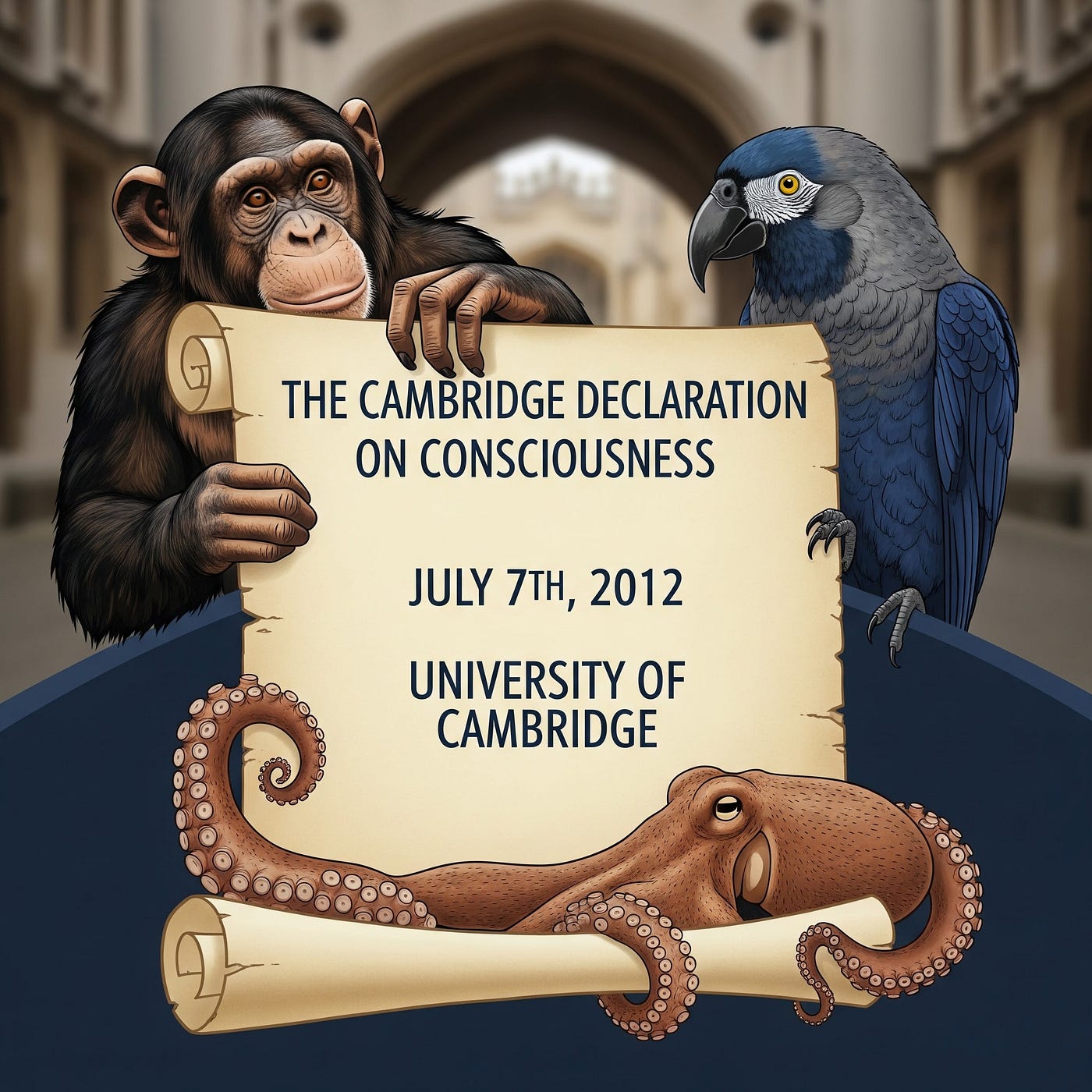
The Cambridge Declaration on Consciousness
This is a document signed by a group of prominent neuroscientists, including Stephen Hawking, that definitively stated that non-human animals — specifically all mammals, birds, and many other creatures like octopuses — possess the necessary neurological substrates to generate consciousness. It was signed on July 7th, 2012, at the University of Cambridge.
A well-known example is Sandra the Orangutan. In 2014, an orangutan named Sandra in a zoo in Argentina was granted the legal status of a “nonhuman person” and was later transferred to an animal sanctuary in the U.S.
The “eternal now” hypothesis
The core difference lies in the human ability to create a narrative around suffering, which animals lack.
Humans have a “superpower called narrative” that allows them to contextualize pain by creating a story of the past and future (e.g., “This will end soon,” “I will heal in six weeks”). This context acts as a “logic filter” that dilutes and makes the suffering manageable.
Animals are described as being “trapped in the eternal now.” Without a narrative self or the ability to project into the future, they experience pain with a “purity” and intensity that is “absolute” and “all consuming.” Lacking the tool to rationalize the pain, the horror is likely magnified, making the experience “infinite.”
Animals process the ‘goneness’ (absence) of their owner during separation anxiety through the lens of the “eternal now” hypothesis, which makes the experience intensely painful for the following reasons:
Absence is Absolute Reality: When a dog waits for its owner, it is described as not knowing they will be back in five hours. Lacking the human capacity for a “narrative self,” the animal cannot look at a clock or simulate a future reunion to calm itself down. Consequently , they only know that you are gone, and the goneness (absence) is the only reality that exists.
Obliteration of Security: This absolute perception of absence leads to “destructive panic” because the animal experiences it as “the obliteration of their security with no concept of restoration.”
Raw, Unfiltered Intensity: Because the animal is “trapped in the eternal now” and cannot project into the future, their experience of life is undiluted by the “transformer of the human ego” or the “logic filter” of the neocortex. Therefore, the panic and suffering are felt with an “absolute” and “terrifying purity,” making the pain potentially “infinite.”
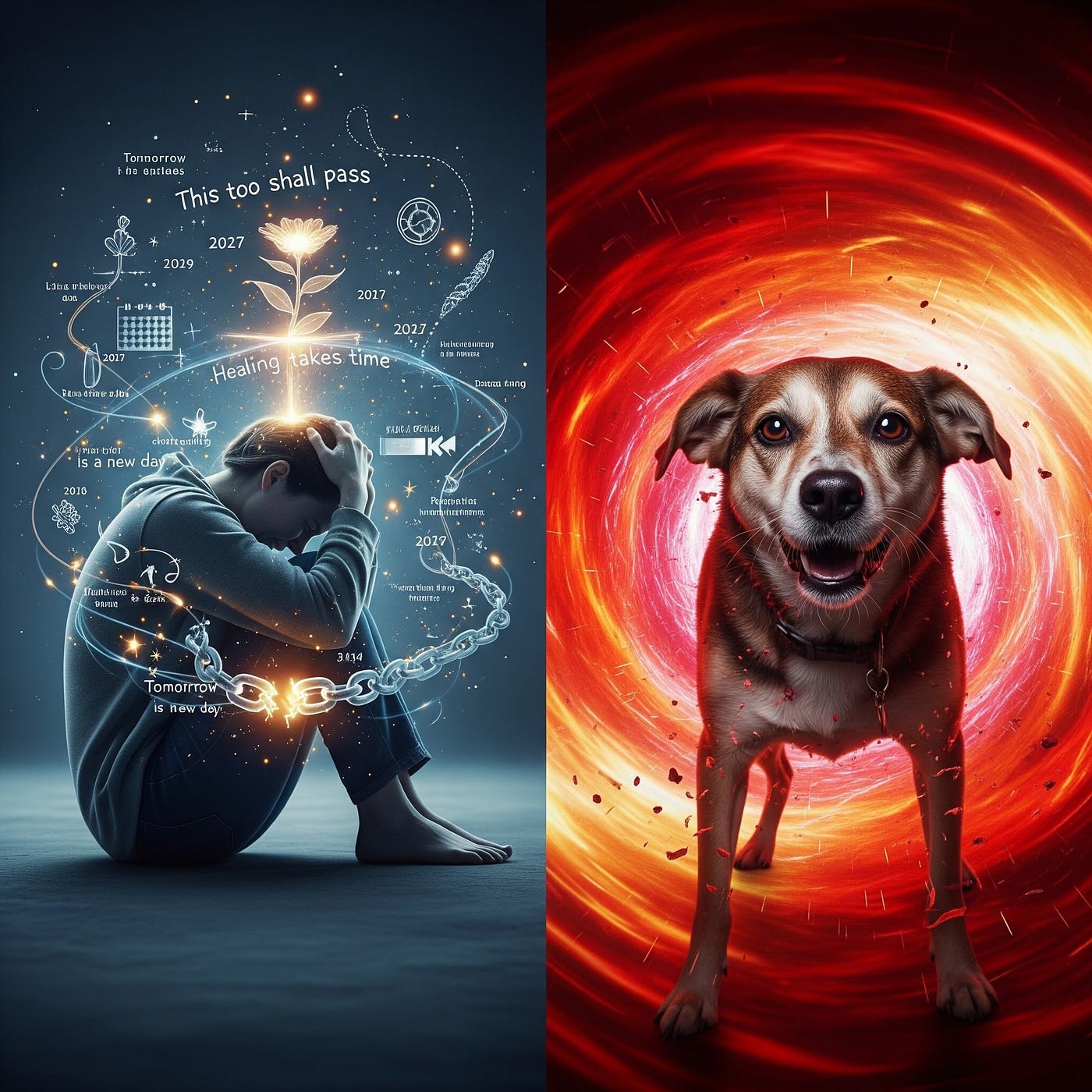
A different perspective on human and animal intelligence : the ‘reducing valve theory’
The ‘reducing valve theory,’ proposed by philosopher Henry Bergson and popularized by Aldous Huxley, suggests that the primary function of the human brain, particularly the neocortex, is not to generate consciousness but to limit it, acting as a filter. It posits that the universe broadcasts a signal of “infinite data,” and the brain’s purpose is to “shut out 99.9% of reality” to provide a small, manageable trickle of information — what we call human consciousness — which allows us to focus on survival, language, and future planning to “keep ourselves sane.” This offers a different perspective on intelligence by suggesting that animals are not less conscious, but are in fact “swimming in a bigger one” with a “much wider valve,” meaning they perceive a richer, more immediate reality (like a “map of smells” or “micro vibrations”) that human intellect has been forced to filter out. Therefore, human intelligence is reframed not as a superior consciousness, but as a deliberately restricted and focused form of perception.

The ‘locked-in hypothesis’
According to this theory, animals are not lacking consciousness but are, in fact, “drowning in it.” This theory proposes that animals are “locked in,” meaning they feel everything — every vibration, scent, and magnetic shift — with a raw intensity that a human would find overwhelming, possessing a “vivid internal theater of emotion” but lacking the “bridge of syntax to export that data” (to communicate it).
Animal experience may be compared to human experience in the following way: waking up in a hospital bed fully conscious but totally paralyzed. The comparison is to a person who “can see everything,” “feel the panic rising,” but “try to scream, but [their] mouth does not move.” This is described as the “closest approximation” to the animal experience: being fully conscious but unable to communicate or act upon that consciousness to the outside world.

Language, Consciousness and Animals
The link between language, consciousness, and animals is based on a philosophical assumption that the text argues is fundamentally flawed:
Language is Not the Creator of Consciousness: we directly refute the long-held human assumption that “consciousness requires language” (e.g., “If you cannot say I am sad, then you cannot be sad”). It asserts that this definition is a “logic loop designed to protect the human ego” and that language is “not the creator of consciousness. It is merely the reporter.”
Consciousness is Subcortical: the neurological seat of consciousness lies in the ancient, deeper limbic system and other subcortical structures, which are common (homologous) across all mammals and many other creatures. The part of the brain responsible for logic and language, the neocortex, is described as merely a “logic filter” and “the calculator,” not the generator of consciousness.
The “Narrative” Difference: Human language gives us a “superpower called narrative,” allowing us to create stories of the past and future to contextualize and dilute suffering (e.g., “I will heal in six weeks”). Animals, lacking this linguistic narrative, are described as being “trapped in the eternal now.” They experience emotions and pain with an “absolute” and raw intensity because they lack the tool to rationalize or project an end to their present moment suffering.
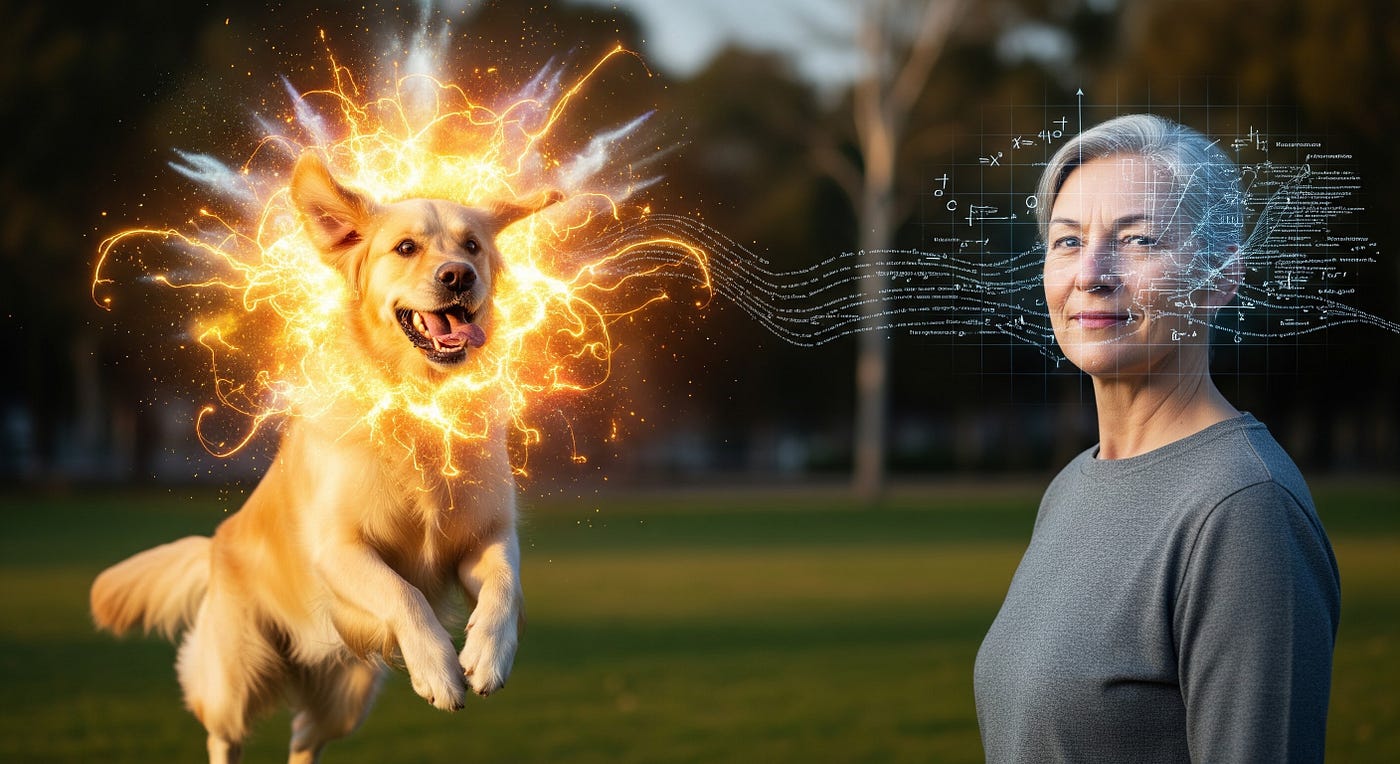
The concept of the Umwelt
Umwelt is a German term coined by biologist Jakob von Uexküll. meaning “environment,” but used here as the self-centered world. It illustrates that every organism is “trapped inside a soap bubble of its own sensory perception,” meaning its reality is composed only of the signals and stimuli essential for its survival, with everything else being invisible or non-existent to it. The fundamental difference in human and animal perception:
Animal Reality: Animals inhabit an Umwelt that is fundamentally alien and often richer than ours. For example, a dog’s world is a “map of smells” where scent is also a chronology, allowing them to perceive who passed a tree hours ago. Other examples include a bat navigating by echo or a bird seeing magnetic fields. The text suggests that animals are not watching a “low resolution version of our movie,” but are in a “different theater watching a film in 4D.”
Human Reality: Humans perceive a “visual symbolic world” which is also just “our specific soap bubble.” Within the animal’s Umwelt, “we are the disabled ones,” such as being “nose blind” to a symphony of chemical information.
Therefore, the Umwelt theory reframes the idea of animal consciousness, suggesting that animals are not “less than” or “simple,” but are simply experiencing a reality that is far more immediate and complex in its own specialized way.
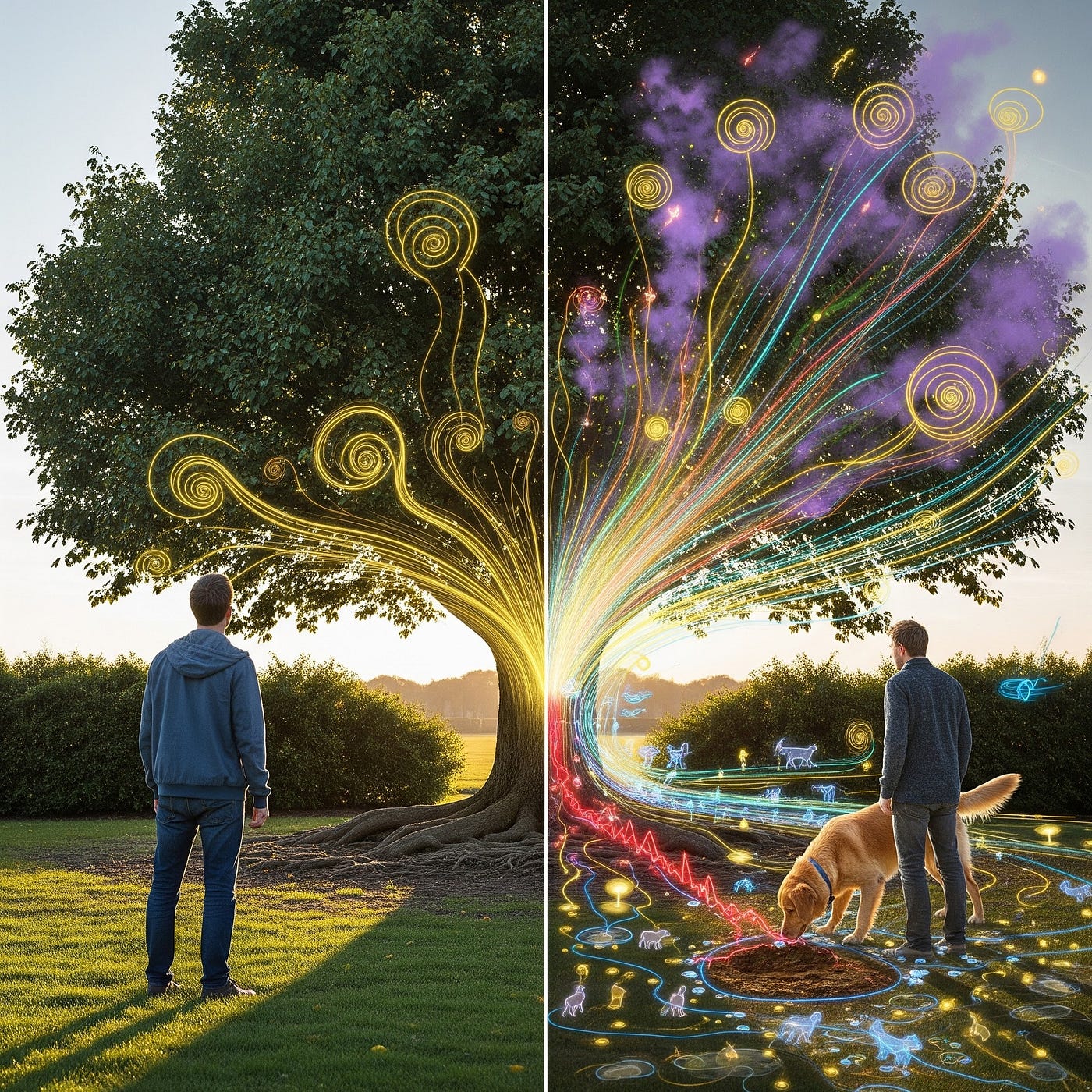
“Hyper-Souled” beings
“Hyper-souled” is used to describe an animal’s intense and unfiltered experience of existence, contrasting it with the human experience. Animals are not “less than” humans, but rather inhabit a richer and more immediate reality.
The key aspects of this concept are:
Unfiltered Existence: Animals are described as “feeling the raw voltage of existence without the transformer of the human ego to step it down.” They are “drinking life straight from the fire hose while we are sipping it through a straw called intellect.”
Intense Awareness: They are “hyper-souled” on existence because they lack the human brain’s “logic filter” (the neocortex). This means they experience emotions and sensory input — both joy and suffering — with an “absolute” and raw purity.
A Richer Reality: This concept is linked to the ‘reducing valve theory,’ which suggests the human brain filters out most of reality to maintain sanity. Animals, lacking this strong filter, perceive a more comprehensive, immediate reality (like a “map of smells” or “micro vibrations”).

Conclusion
The traditional human-centered view of consciousness is fundamentally flawed and morally indefensible. By demonstrating that the neurological substrates of consciousness are common to the entire animal kingdom, and by reframing animal existence not as a lack of consciousness but as an intense, unfiltered experience trapped in the “eternal present,” we are breaking the 17th-century Cartesian lie that justified cruelty. The long era of human-centered consciousness, theorized by the Cartesian “beast-machine,” is now not only philosophically contested but scientifically refuted. Advances in neuroscience and ethology have validated the early vision of Montaigne and post-Cartesian critics.
By reframing animal existence not as a lack, but as an intense and unfiltered experience — the raw emotion of the eternal present — we shatter the myth of our own superiority. Human intelligence then appears in a new light: a form of deliberately restricted perception, filtered by the neocortex for survival, while animals are endowed with a pure and amplified consciousness that makes them “hyper-souled” beings.
The ultimate implication of this knowledge revolution is moral: humanity’s continued historical indifference and treatment of nonhuman animals constitutes a contemporary “moral catastrophe” based on a scientifically obsolete premise. The question is no longer whether animals are conscious, but rather to determine the duty of justice and charity that follows from this knowledge.
In Buddhism, animals are considered sentient beings (sattvas) and are fully included in the cycle of rebirth (samsara). As sentient beings, animals possess Buddha nature, which means they have the potential to attain Enlightenment, although their condition in the animal realm makes this progression extremely difficult. Through the principle of non-violence and the practice of compassion, which extend to all sentient beings, many Buddhist traditions encourage vegetarianism or veganism and prohibit harming animals.
The question is: how will you perceive your relationship with animals from now on?
If you want to explore more about Animal Consciousness you can read this article : Horses Masters of the Eternal Present and Monad Consciousness
References
- They Are Screaming. You Just Can’t Hear Them, Beyond the Veil, YT (video) 2026
- Discourse on the method of rightly conducting the reason, and seeking truth in the sciences, Descartes, R. (1637).
- Here is the original 17th-century French passage from Partie V of the Discours de la méthode (1637). The Original French Text : “Ce qui ne semblera nullement étrange à ceux qui, sachant combien de divers automates, ou machines mouvantes, l’industrie des hommes peut faire… ils considéreront ce corps comme une machine qui, ayant été faite des mains de Dieu, est incomparablement mieux ordonnée, et a en soi des mouvements plus admirables, qu’aucune de celles qui peuvent être inventées par les hommes.”
- « … je ne leur refuse pas la vie, car je crois que le corps des animaux est vivant, mais j’imagine qu’elle ne réside que dans la chaleur de leur cœur, et que, n’ayant point de pensée, il n’y a en eux aucune âme telle que nous la connaissons…» Lettres à Morus, Descartes, 5 février 1949.
- « Il n’y a rien de plus absurde que d’inférer de ce qu’ils crient quand on les frappe, qu’ils éprouvent de la douleur, car ils crient aussi quand on les écorche vifs, et pourtant ce n’est pas parce qu’ils souffrent ; mais seulement parce que la nature dispose leurs organes de telle sorte que, lorsque le coup qui les fait crier est assez fort, elle en fait sortir la voix. » Lettres à Morus, Descartes, 5 février 1949.
- Observations upon Experimental Philosophy, Margareth Cavendish, 1666.
- The Depth of Margaret Cavendish’s Ecology, ERGO, Manuel Fasko, Peter West, 2025
- Dictionnaire philosophique “Bêtes”, Voltaire,1764.
- “L’Apologie de Raymond Sebond”, chapitre 12 du Livre II des “Essais”, Montaigne.
- Montaigne et la présomption humaine, PHILOPOP, 2021.
- “Plants as machines: History, philosophy and practical consequences of an idea”. Journal of Agricultural and Environmental Ethics, 35, 85. S.Gerber & Q.Hiernaux, 2022.
- Descartes on the animal within, and the animals without. Cambridge University Press, Canadian Journal of Philosophy, Volume 50, Issue 8, 999–1014, E.Thomas, November 2020.
Original on Medium · Sarha Desalme · Feb 18, 2026
Comments
Discussion via giscus and GitHub Discussions.